Вкратце
Faux leather bonds a polymer coating — polyurethane (PU) or polyvinyl chloride (PVC) — to a fabric backing to mimic real hide. A good one balances a tough, anti-peel coating, a soft and breathable feel and easy cleaning, which is why contract versions cover so much hotel seating.
Walk through a modern hotel and much of the seating a guest touches is not real hide at all: it is faux leather, chosen for easy cleaning, lower cost and a consistent look. The gap between a synthetic that lasts a decade and one that peels within a year is wide, and it comes down to what the material is made of and how a maker builds it. This guide explains what the material is, how PU and PVC differ, what separates a good one from a cheap one, and where it belongs in a property. It is one of several coverings a hotel specifies, set out in full in our hotel furniture materials guide.
What Faux Leather Is, and What It Is Made Of
Быстрый ответ
Faux leather is a synthetic material that mimics real hide, made by bonding a polymer coating — polyurethane (PU) or polyvinyl chloride (PVC) — to a fabric backing. A good one pairs a durable, anti-peel coating with a soft, breathable feel and an easily cleaned surface, which is why contract-grade versions dress so much hotel seating.
The material goes by many names — leatherette, pleather, synthetic or vegan leather — but the build stays the same: a polymer skin over a textile base. The coating gives the look and feel; the backing gives the strength and decides how the seam holds under load. Knowing both halves is the first step to telling a contract-grade covering from one that flatters on the showroom floor and fails in the room. Get that reading right and a property specifies seating that survives; get it wrong and a lounge looks tired within a season.
PU and PVC: the two main types
Two polymers dominate. Polyurethane, or PU, runs softer, more flexible and more breathable, with a hand close to real hide, which suits guest-room seating, headboards and premium pieces. Polyvinyl chloride, or PVC, runs firmer and more water-resistant, wiping clean with ease, which suits the heaviest-cleaned settings such as restaurant and bar seating. A good material starts with the right polymer for the job rather than the cheapest one to hand, since the polymer sets the ceiling on how the finished seat feels and lasts.
Is faux leather just plastic?
The material is polymer-based, but calling it plastic undersells a quality build. A contract-grade covering carries several layers: a wear coating, a foam or solid skin, and a woven or knitted backing that controls stretch and tear strength. The difference between a cheap version and a good one lives in those layers, not in the simple fact that the surface is synthetic. A maker engineers the best of them rather than merely moulding them, tuning each layer to the use the seat will see.
Faux leather against real hide
Against real hide, the synthetic answers on cost, cleaning and consistency, and concedes on patina and breathability. Where genuine leather ages into a unique surface and breathes naturally, the synthetic holds a uniform look, cleans in a wipe and costs far less. The case for real hide, and how to care for it, sits in our guide to leather furniture care; here the focus stays on faux leather and what makes a synthetic good.
What Makes a Good Faux Leather
Whether a covering belongs in a hotel comes down to four measurable qualities. A material that scores well on all four survives years of guests; one that wins on looks alone does not. A buyer who checks these four ahead of the colour swatch rarely specifies a seat that disappoints. None of the four shows in a photograph, which is why a sample in the hand beats a render every time.
Abrasion resistance
Abrasion sets how the surface wears under constant contact, and contract work demands far more of it than home use. Measured in Martindale cycles, a hospitality-grade material sits well above domestic levels, so the finish holds through years of guests sliding in and out of a seat. A good material states its rub count; a cheap one stays silent on the figure for a reason, and that silence is itself a warning to a buyer.
Tear strength and anti-peel coatings
Peeling is the failure guests notice first, and it starts at the coating. A quality material bonds its skin to a strong backing with an anti-peel layer that holds through flexing and cleaning, while a bargain one lets the coating crack and lift within a season. Tear strength in the backing matters just as much, since a seam under load splits a weak base before the surface ever wears. The anti-peel build is the single best predictor of how long faux leather lasts in a hotel seat.
A good faux leather shows its quality at the backing, not the surface
Two materials can look identical on a swatch and behave nothing alike after a year. The difference lives where a buyer cannot see it: the backing fabric, the coating thickness and the bond between them. A strong knitted backing under a thick anti-peel coating survives a busy lounge; the same grain over a thin scrim peels at the armrest. Reading a swatch by its face alone is how a property buys the failure it set out to avoid, which is why a sample request should ask for the backing specification too.
Texture, grain and feel
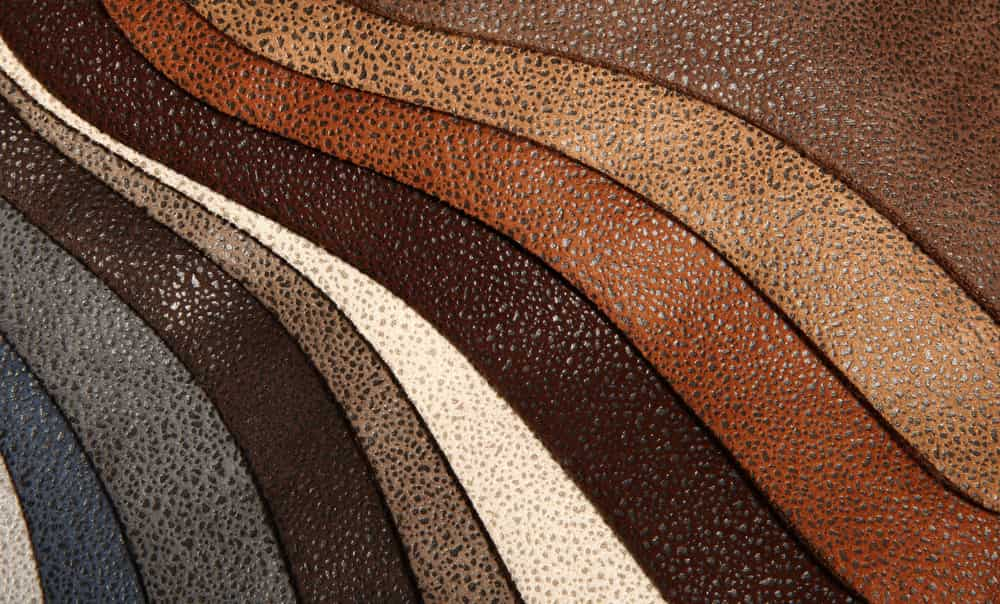
A good material reads as leather to the eye and the hand. The best carry a natural grain rather than a repeating print, a soft and supple feel rather than a stiff plastic one, and a matte finish rather than an artificial shine. These cues separate a premium covering from one that announces itself as fake the moment a guest sits down, and they cost a property nothing to check in person.
Breathability and comfort
Comfort decides whether guests linger, and breathability drives comfort. A quality material lets some air move, often through a micro-perforated surface or a breathable cotton or polyester backing, so a seat stays cool rather than turning hot and sticky over a long evening. PU generally breathes better than PVC, part of why it leads in guest-room and lounge seating where people stay a while, while PVC keeps its edge in the wipe-down zones where airflow matters less than a clean surface.
Faux Leather, Vinyl and Real Leather Compared
Choosing a covering means weighing the synthetic against its alternatives. The table sets PU, PVC and real leather side by side before the rows that follow explain when each wins, because a hotel rarely furnishes every space with the same hand.
| Factor | PU faux leather | PVC faux leather | Real leather |
|---|---|---|---|
| Feel | Soft, supple, close to hide | Firmer, more plastic | Natural, ages with character |
| Breathability | Good | Limited | Excellent |
| Cleaning | Easy, wipe clean | Very easy, water-resistant | Needs care and conditioning |
| Устойчивость | Good with a quality build | High, heavy-use friendly | Very high, lasts decades |
| Cost | Moderate | Lower | Highest |
| Best hotel use | Guest rooms, lounges, headboards | Restaurants, bars, outdoor | Premium lobby and lounge |
When the synthetic is the right call
A synthetic wins where cleaning load, cost and consistency lead. For restaurant banquettes that meet spills nightly, headboards that take heavy contact, and any seat repeated across hundreds of rooms, a contract synthetic delivers the look of hide without the upkeep or the price. It also gives a uniform finish across a whole floor that natural hide, with its variation from skin to skin, cannot match.
When real leather earns its place
Real leather holds the edge where patina, prestige and the longest life matter: a signature lobby chair, an executive lounge, a piece a property conditions and keeps for decades. Where a guest expects to feel genuine hide and the brand sells on it, real leather repays its cost. Matching the covering to the room, rather than defaulting to one everywhere, is the mark of a considered specification, and it lets a budget spend its weight on the seats a guest studies most.
How Long Faux Leather Lasts, and What Ruins It
The most common question about the material is how long it lasts, and the honest answer runs anywhere from a year to a decade, depending entirely on quality and care. Knowing what shortens its life is how a property protects the investment rather than repeating it early. The same seat can read as a bargain or a liability depending entirely on the grade behind the grain.
Lifespan in contract use
A quality contract material lasts many years of hospitality use, while a cheap domestic-grade one can fail within months in the same seat. The spread is enormous because the build varies so widely from roll to roll. Specifying a hospitality-grade material with a stated rub count and anti-peel coating is what moves a seat from the short end of that range to the long one, and it costs far less than the early reupholster it prevents.
Why faux leather peels
Peeling, the classic failure, happens when the polymer coating loses its bond with the backing and lifts in flakes. Cheap materials peel because the coating runs thin and poorly bonded; even good ones peel faster under constant flexing, body oils and harsh cleaners. A strong anti-peel build resists it, though no synthetic is fully immune, which is why the quality of the bond decides so much of the outcome.
What ruins the material
A few things shorten the material’s life fast: harsh solvent cleaners and alcohol wipes that strip the coating, sharp objects that pierce the surface, prolonged direct sun that bakes and fades it, and body oils left to soak in over time. Protecting it is mostly a matter of cleaning it correctly and shielding it from sun and solvents, which the maintenance section below sets out in full.
Faux Leather in Hotel Furniture
A synthetic earns its place across a hotel precisely because it cleans easily and costs less than hide while still reading as leather. Knowing where it fits, and where newer options sit, keeps a specification sharp across a whole property. Placed well, the covering carries a room for years; placed wrong, it dates the space and pulls a seat out of service for an early recover.
Where it fits
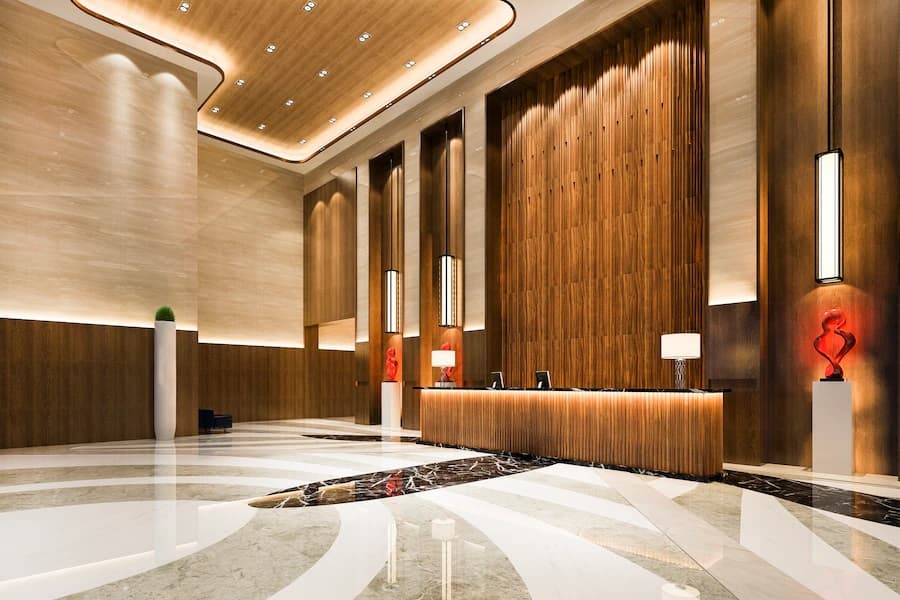
The strongest case is the hardest-cleaned, highest-contact seating. Restaurant and bar seating, lobby banquettes, headboards and outdoor-leaning pieces all suit it, since a wipe clears a spill and the surface keeps its look. These pieces sit within our расположение сидячих мест в гостевой комнате, lobby furniture и ресторанное оборудование ranges, where faux leather covers the seats that take the most use.
Faux leather pays off where cleaning is constant
The economics are clearest in food and drink areas. A banquette that meets wine, sauce and disinfectant every night would wear a fabric out and stain a hide, but a PVC or tough PU surface wipes clean in seconds and keeps its finish for years. Spending on a quality contract material in those seats, rather than a bargain one, is what spares a property the early reupholster the cheap version forces on it.
Vegan and plant-based leather
The material has moved beyond plain plastic. Plant-based leathers made from apple, mushroom, pineapple and cactus offer a more biodegradable answer for properties chasing sustainability targets, and recycled-content backings cut the footprint of conventional versions. PU also tends to release fewer harmful substances than PVC, so an eco-minded property leans toward PU or a plant-based option and asks for the certification to prove the claim rather than taking it on trust.
Fire and contract compliance
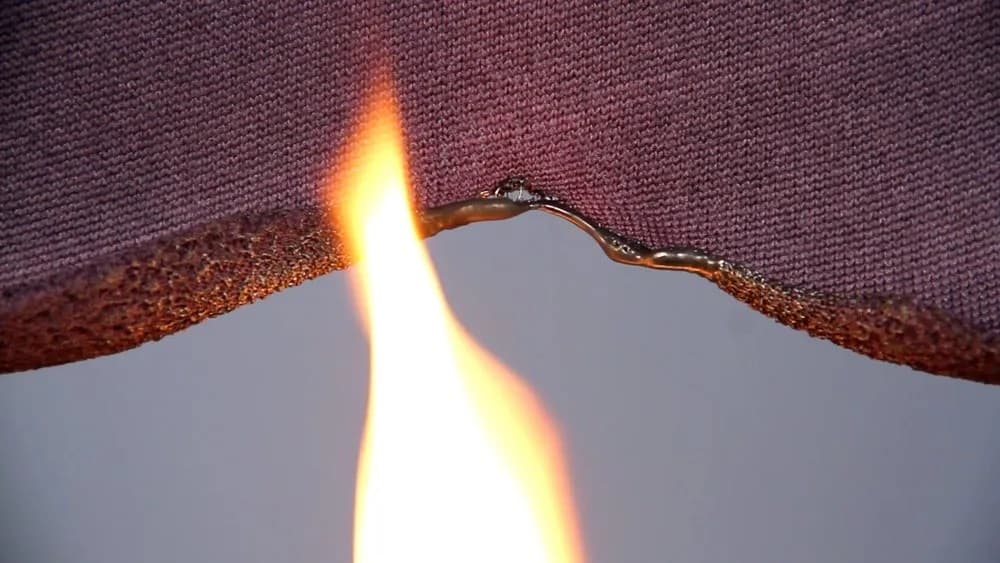
Like any covering in a public room, the material answers to fire safety. A contract grade carries a flammability rating matched to its market, and a property confirms the certificate rather than the claim. How contract fire testing and certification work sits in our guide to the crib 5 fire rating, which applies to faux leather seating as much as to fabric.
Cleaning and Maintaining Faux Leather
One of the material’s biggest advantages is how little it asks, but a little care doubles its life. The routine is simple and the things to avoid are few, which suits the pace a busy property works at. Built into a housekeeping checklist, the care adds seconds to a turnaround and years to a seat.
The cleaning routine
For everyday care, a damp cloth with mild soap clears most marks, and a prompt wipe stops a spill soaking in. Drying the surface afterwards keeps water from sitting in the grain, where it would otherwise creep toward the backing and start the slow lift that ends in a peel. Done regularly, this light routine keeps the surface supple and clean far longer than an occasional deep scrub, and it fits the fast turnaround a hotel needs between guests. The wider care of upholstered seating sits in our guide to hotel upholstery.
What to avoid
The shortcuts that ruin a synthetic are worth naming. Harsh solvents, alcohol wipes and abrasive pads strip and scratch the coating; soaking the surface lets water reach the backing; and leaving oils or spills to sit invites staining and early peeling. A property that briefs housekeeping on these few rules protects every seat in the building at no extra cost, and it keeps the warranty intact.
Choosing Faux Leather for Your Project
With the build, the comparison and the care laid out, choosing comes down to matching the material to the seat and insisting on the quality the eye cannot see. A short discipline keeps a specification honest across hundreds of rooms, and it travels from the design intent to the seat a guest finally sits in without losing anything along the way.
A simple checklist
Specify the polymer for the job — PU for soft, breathable guest-room seating, PVC for the heaviest-cleaned restaurant and bar work. Ask for the rub count, the anti-peel build and the fire certificate. Choose a natural grain and a matte finish over a shiny print, and lean toward PU or plant-based options where sustainability matters. That short list separates a faux leather that lasts from one that disappoints a property within a year.
Briefing a contract maker
A capable contract manufacturer specifies hospitality-grade material as routine, names the backing and coating, and supplies the test documentation without a buyer asking twice. HFC builds contract hotel furniture in quality faux leather and other contract coverings, works trade and project only with no retail sales, ships to more than thirty countries with a two-year warranty, and provides the certificates each order needs. To brief seating in the right material for your spaces, you can tell us about your project.
Часто задаваемые вопросы
What is faux leather made of?
Faux leather is made by bonding a polymer coating to a fabric backing. The coating is usually polyurethane (PU) or polyvinyl chloride (PVC), and the backing is a woven or knitted textile such as cotton or polyester. The polymer gives the leather-like look and feel, while the backing controls strength and stretch.
Is faux leather as good as real leather?
It depends on what a property values. Faux leather cleans more easily, costs less and gives a consistent finish, which often suits hotel seating better than hide. Real leather wins on patina, breathability and lifespan. For heavy-cleaned and high-volume seating, a good faux leather is frequently the more practical choice.
How long does faux leather last?
A quality contract faux leather lasts many years of hospitality use, while a cheap domestic-grade material can fail within months in the same seat. Lifespan turns almost entirely on the build and the care: a stated rub count, a strong anti-peel coating and correct cleaning move a material to the long end of that range.
Why does faux leather peel?
Faux leather peels when the polymer coating loses its bond with the backing and lifts in flakes. Thin, poorly bonded coatings peel fastest, and constant flexing, body oils and harsh cleaners speed it up. A strong anti-peel build resists peeling far longer, which is why the quality of the bond matters so much.
What is the difference between PU and PVC faux leather?
PU is softer, more flexible and more breathable, with a feel close to real hide, so it suits guest-room and lounge seating. PVC is firmer and more water-resistant, wiping clean with ease, so it suits the heaviest-cleaned restaurant and bar seating. PU also tends to release fewer harmful substances than PVC.
How can you tell good quality faux leather?
Quality shows in the build, not just the look. Check for a stated rub count, a thick anti-peel coating over a strong knitted backing, a natural grain rather than a repeating print, a soft matte finish, and breathability. A material that hides its rub count and feels stiff or shiny is usually the cheaper kind.
Is faux leather eco-friendly?
Some versions are. PU generally releases fewer harmful substances than PVC, and plant-based leathers made from apple, mushroom or pineapple offer more biodegradable options. Recycled-content backings cut the footprint further. An eco-minded property leans toward PU or plant-based materials and asks for the certification behind the claim.