Вкратце
Hotel upholstery is the fabric, foam and covering on a property’s soft furniture — seating, headboards, banquettes and cushions. Built to a contract standard, it carries hard-wearing fabric, fire-rated materials and dense foam, and it rewards a clear fabric choice up front and a care routine that runs between professional deep cleans.
Hotel upholstery decides more than how a room looks. The fabric on a chair, the foam in a cushion and the covering on a headboard face thousands of guests a year, and the choices behind them set how a property feels, how often it cleans, and how long the seating lasts before it tires. This guide is written for the people who specify and look after it: what hotel upholstery actually is, the contract fabrics hotels choose, what custom upholstery for a brand involves, and the care routine that keeps it clean and comfortable between deep cleans. Some specifiers call the whole field hospitality upholstery, and the design of upholstered furniture in a hotel follows from it: every piece chosen to take hard use, clean easily and hold its look across years rather than a season. For the upholstered pieces themselves, our расположение сидячих мест в гостевой комнате range is built and covered to a contract standard.
What Hotel Upholstery Is, and Why Contract Upholstery Differs
Быстрый ответ
Hotel upholstery is the fabric, foam and covering on a property’s soft furniture — sofas, armchairs, banquettes, headboards, dining chairs and cushions. Contract upholstery is built to a higher standard than home upholstery, with hard-wearing fabric, fire-rated materials and dense foam that survive constant guest use and frequent cleaning.
Buyers ask what upholstery covers in a hotel, and the honest answer is broader than a sofa. Hotel upholstery is every soft surface a guest touches: the seat of a dining chair, the arm of a lounge chair, the panel of a headboard, the cushion on a banquette, the bolster on a bed bench. Wherever fabric wraps foam over a frame, that is upholstery, and in a hotel every piece of it works far harder than its counterpart at home.
What counts as hotel upholstery
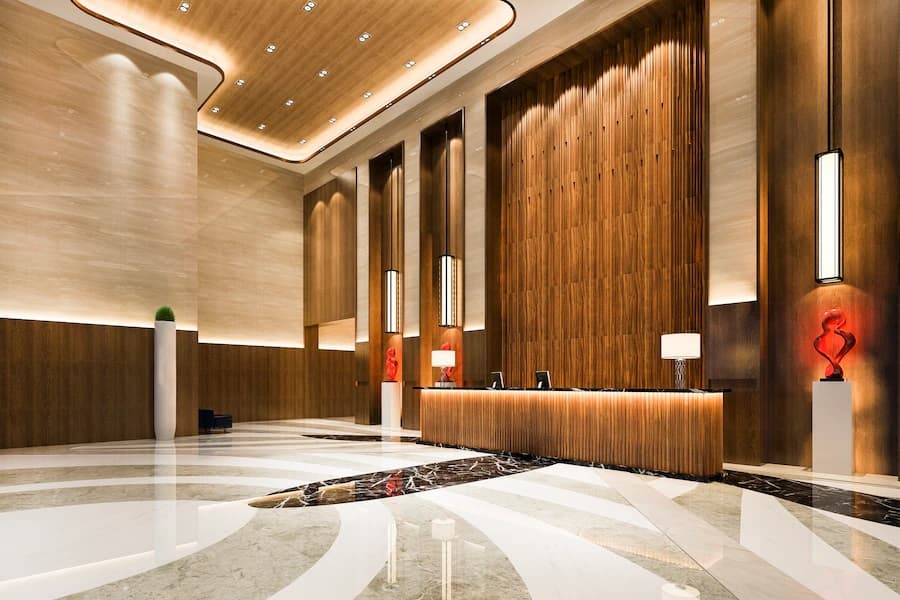
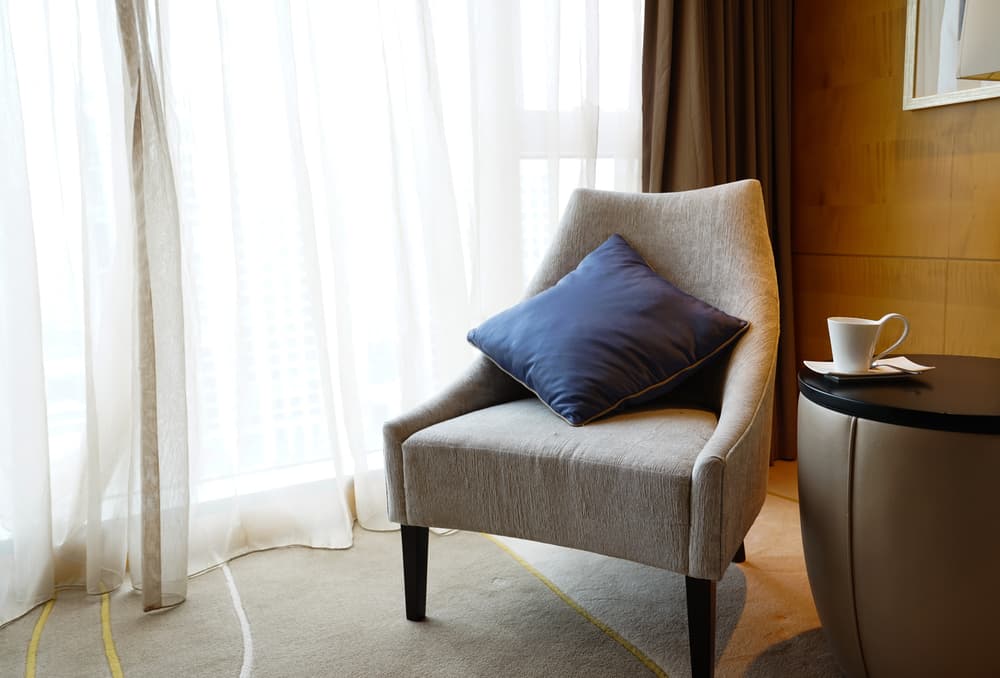
The category runs across the whole property. In the guest room it is the headboard, the desk chair and the lounge seating; in the lobby and lounge it is the sofas, the armchairs and the ottomans; in the restaurant it is the dining chairs and the banquette seating; and across all of them sit the loose cushions that take the most direct contact. Treating upholstery as one discipline, rather than a feature of each separate piece, is what lets a property specify and maintain it consistently.
The reason upholstery earns its own attention is contact. It is the part of the furniture a guest actually touches, sits in and leans on, so it shows wear, soil and damage long before the frame beneath it does. A casegood can look new for years while the chair beside it greys and sags, which is why a property that manages upholstery as a discipline, with its own fabric standard and care routine, protects the look of a room far more than one that treats each piece in isolation.
Why contract upholstery is built differently
Contract upholstery answers a question home upholstery never faces: will it survive constant use by people who did not pay for it and will not treat it gently. Three things separate it. The fabric carries a high rub count, the measure of abrasion resistance, so it does not wear bald where a domestic fabric would. The materials meet fire and safety standards for public spaces. And the foam is denser and graded for recovery, so a seat does not flatten within a season. Confirming that a finished order actually meets the foam and fabric specification is a pre-delivery discipline, set out in our hotel furniture quality control checklist.
Rub count and fire rating define contract upholstery
Two numbers separate hotel upholstery from the lookalike at a furniture store: the rub count, often quoted in double rubs and set high for hospitality, and the fire rating the destination market requires. A fabric that misses either is residential, however good it looks on a sample card. Both belong on the specification before anyone orders a single metre.
Hospitality upholstery and what sets it apart
The trade often calls this field hospitality upholstery, and the name marks a real distinction. Hospitality upholstery is engineered for commercial life: higher rub counts, contract fire ratings, cleanable finishes and replaceable covers, none of which a domestic piece carries. A sofa built for a living room and the same shape built as hospitality upholstery can look identical and behave nothing alike after a year of public use, one holding its shape while the other sags and greys. A property that treats the two as interchangeable learns the difference the hard way, usually in a lobby and usually within months. None of this shows on a showroom floor, which is why hotel upholstery earns its place on specification and a track record rather than on looks alone. The buyers who ask for rub counts, fire data and reference projects are the ones who avoid the disappointment that follows a domestic piece pressed into commercial service.
Choosing Upholstery Fabric for Hotels
Fabric is the single biggest durability decision in hotel upholstery, because it is the surface that wears, stains and fades first. The right hotel upholstery fabric balances how it feels against how it holds up and how easily housekeeping keeps it clean, and the balance shifts by zone.
The fabrics hotels use
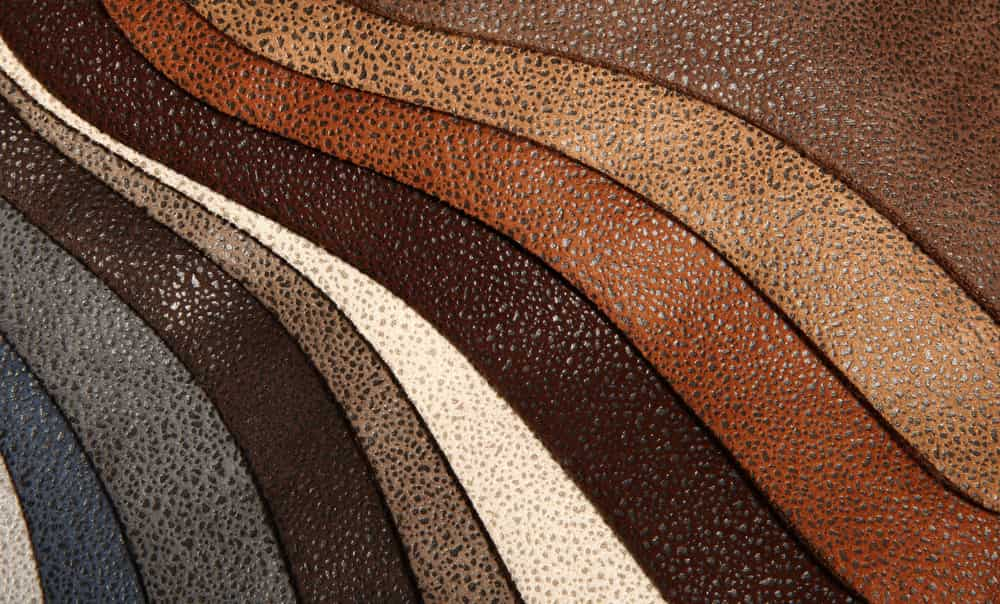
A handful of fabrics carry most hospitality work. Microfiber gives a soft, warm seat that resists stains and cleans easily, which suits guest rooms and lounges. Leather and faux leather read premium, wipe clean in seconds and shrug off spills, which suits lobbies and high-traffic public areas. Vinyl handles the hardest use and the wettest zones, including food and poolside areas. Performance polyester weaves cover almost anything, taking custom colours and patterns while staying fade-resistant. In its contract form chenille reaches well past 40,000 Martindale cycles and brings a velvety warmth to lobbies and reading corners, while high-performance vinyl and faux leather wipe clean under disinfectant in bars, restaurants and spas. The table below sets them side by side.
| Fabric | Устойчивость | Feel | Поддержание | Best use |
|---|---|---|---|---|
| Microfiber | High | Soft, warm | Easy, stain-resistant | Guest rooms, lounges |
| Leather | High | Premium, cool | Wipe-clean, ages well | Lobbies, executive areas |
| Vinyl / faux leather | Very high | Firm, smooth | Wipe-clean, spill-proof | Food and poolside areas |
| Performance polyester | High | Varied | Easy, fade-resistant | Custom looks, anywhere |
The right choice is rarely one fabric for the whole property. A lobby that meets the street wants a wipe-clean leather or vinyl; a quiet guest-room armchair can take a softer microfiber; a restaurant banquette near food needs a spill-proof surface; a signature lounge piece can carry a performance weave in the brand colour. Matching the fabric to the traffic and the risk of each zone, rather than defaulting to one look, keeps the whole property both consistent and durable.
Rub count, fire rating and cleanability
Beyond the look, a handful of measured specifications decide whether a fabric belongs in a hotel, and a buyer who fixes them before choosing a colour ends up with hotel upholstery that survives the building rather than merely suiting the mood board.
Abrasion comes first. Rub count measures how much rubbing a fabric takes before it wears through, graded by the Martindale or Wyzenbeek method. Contract guidelines set a heavy-duty floor near 30,000 Wyzenbeek double rubs, but hospitality practice runs far higher: roughly 100,000 Martindale cycles for general guest-room and dining seating, and 150,000 to 250,000 for high-traffic lobby and lounge. A beautiful fabric that fails the rub test is an expensive refit waiting quietly to happen down the line.
Cleanability comes next, written as a code that tells housekeeping which products stay safe. W marks a fabric cleaned with water-based products, S one that needs solvent cleaners, WS one that takes either method — the hospitality gold standard — and X one cleaned by vacuum alone, which a hotel avoids because the first spilled glass of wine ends in a reupholster. Lightfastness, graded on the ISO 105-B02 scale from one to eight, decides how fast a colour fades under daylight, and contract upholstery wants a rating of five or higher in any sunlit room. A fabric that scores well across abrasion, cleanability and lightfastness keeps a property out of the early-replacement trap.
Fire standards for hotel upholstery by market
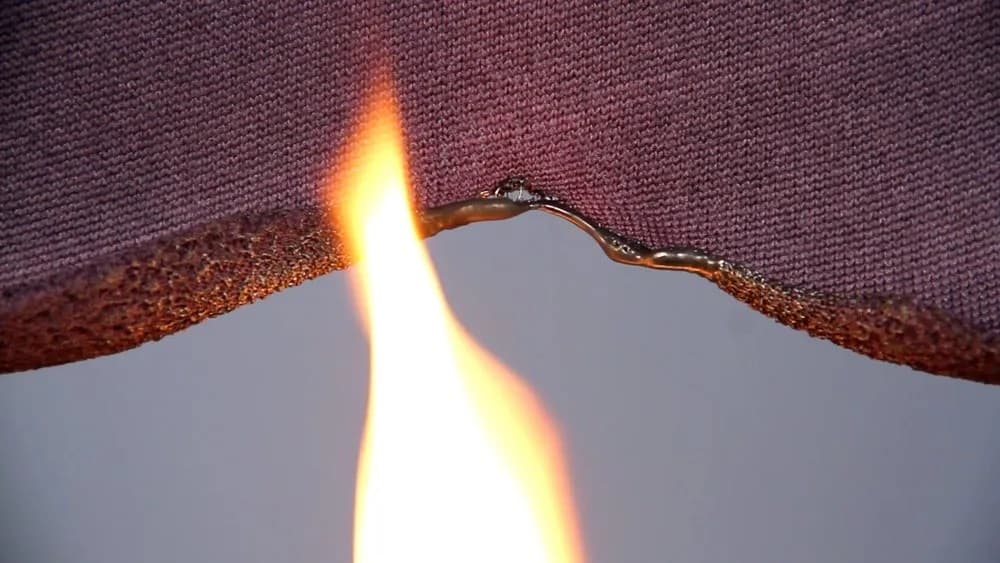
The fire rating has to match the destination market, with no exceptions in a public room, and the standard a fabric must meet shifts with where the furniture lands. A project that exports confirms the local requirement rather than assuming one certificate travels everywhere unchanged.
| Рынок | Стандартный | What it tests |
|---|---|---|
| Европейский союз | EN 1021-1 and EN 1021-2 | Resistance to a smouldering cigarette and a match-equivalent flame |
| Соединенное Королевство | Crib 5 (BS 5852) | Resistance to a burning wooden crib, the contract benchmark for public rooms |
| Соединенные Штаты | CAL TB 117 and NFPA 260 | Cigarette-resistance tests applied under US fire codes |
| Marine | IMO FTP Code | Flammability for ships and floating hospitality |
The UK contract benchmark, crib 5, earns its own attention because so much hospitality work answers to it; our guide to the crib 5 fire rating sets out the test, the certificate and which pieces it covers. Whichever market a property sits in, the rule holds: ask for the current fire certificate covering the exact fabric-and-foam composite, not a similar fabric from the same range.
Performance finishes and sustainability certifications
Two further layers separate a serious contract fabric from a dressed-up domestic one. The first is how it resists stains. Some fabrics clean easily because the fibre itself repels liquid: solution-dyed acrylics and coated synthetics such as vinyl and faux leather hold their resistance in the material, so it never washes out. Others earn stain resistance from an applied finish bonded to the fibre, which performs well but asks for renewal across a long service life. For food and drink areas, the inherently cleanable route tends to win over a ten-year cycle.
The second layer is documentation a brand may demand. Sustainability certifications increasingly sit in the tender pack: OEKO-TEX® Standard 100 confirms a textile carries no harmful substances, GREENGUARD Gold confirms low emissions for indoor air, and the Global Recycled Standard verifies recycled content. A hotel group with published environmental targets asks for these up front, so specifying hotel upholstery that already holds them spares a scramble at audit.
The design of upholstered furniture in hotels
The design of upholstered furniture in hotels answers to use, not only to looks. A lounge chair built for a hotel carries a firmer foam, a deeper seat and a removable cover that a domestic version skips, because it stays comfortable and presentable through far heavier traffic. Designers match the proportions to the room, the foam density to how long guests sit, and the seams and piping to survive cleaning rather than only to flatter the fabric. That discipline separates upholstery that still looks intentional after two years from a piece that sags and dates. A property briefing custom seating treats the upholstery design as part of the specification, not a finish chosen at the end. A well-designed piece also reupholsters cleanly when the fabric finally tires, because the frame and the foam were built to outlast the cover. That forward thinking is part of what good hotel upholstery design buys a property: a chair that takes a fresh fabric in year five rather than heading to the skip.
Leather versus fabric for hotel seating
The choice between leather and fabric runs through most hotel seating decisions, and each wins in a different place. Leather wipes clean, shrugs off spills and ages into a richer surface, which suits high-traffic lobby and bar seating where marks arrive daily. Fabric offers far more colour, texture and brand expression for a gentler outlay, and a performance weave now closes much of the durability gap, which is why guest-room and restaurant seating often leans fabric. Neither is simply better; the right answer follows the zone, the traffic and the look a property wants. Most properties run both across one building, reading each space in turn rather than defaulting to a single material everywhere, and a considered split of leather and fabric is itself a mark of mature hotel upholstery planning. How to keep either surface in good order over the years sits in our guide to leather furniture care.
Luxury upholstery fabrics for lobbies and suites
Front-of-house spaces carry the brand, so luxury upholstery fabrics earn their place in lobbies, signature suites and destination bars. Velvets, bouclés and richly textured weaves give those spaces a depth a flat contract cloth cannot, and a property specifies them where the traffic allows and the impression matters most. The discipline is matching the indulgence to the zone: a statement velvet on a lobby feature chair, a hard-wearing performance weave on the seats that turn over every night. Specified with that judgement, luxury upholstery fabrics lift the spaces guests photograph without burdening the ones they simply use. The same restraint keeps a fabric budget honest, spending on the pieces that set the tone and saving on the ones that merely do their job. Read across a whole property, this is what turns a fabric schedule into a coherent piece of hotel upholstery rather than a scatter of separate purchases.
Custom Hotel Upholstery: Brand-Matched Fabric and Cushions
Off-the-shelf seating rarely matches a brand exactly, which is why so much hotel upholstery is custom. Custom upholstery for hotels means covering seating, headboards and cushions in the fabric, colour and construction a property chooses, rather than accepting a fixed range.
What custom upholstery for hotels means
At its simplest, a property supplies or selects its own fabric and a manufacturer builds the piece around it. The trade calls this working to a customer’s own material, and it lets a hotel hold its exact brand colour, pattern and texture across every upholstered piece in the building. Custom also reaches the construction: the foam grade, the cushion depth, the seat firmness and the detailing all flex to the brief rather than the catalogue.
Where custom upholstery pays
Custom upholstery earns its place on the pieces that carry the brand and take the most contact: the signature lobby seating, the restaurant banquettes, the guest-room headboards. These are the pieces a guest photographs and leans on, so matching them precisely to the scheme is worth the bespoke route. Whether a given piece should be custom or standard in the first place is a selection decision, which our guide on custom hotel furniture works through. Our расположение сидячих мест в гостевой комнате range is built to order on exactly this basis.
How a custom upholstery order works
Ordering custom upholstery follows a clear path. A property selects or supplies its fabric, the manufacturer confirms it against the rub count and fire rating the project needs, a sample or prototype goes back for sign-off, and the production run follows the approved standard. Working to a supplied fabric adds a step and a little lead time over a stock range, so a property plans it into the schedule rather than leaving it to the end. The payoff is a building where every upholstered piece reads as one designed whole.
Specify the upholstery at the build, not after
The cheapest time to get upholstery right is before the frame is built. Specifying the fabric, the rub count, the fire rating and the foam grade at the order means the piece arrives correct, rather than needing a recover within a year. Upholstery fixed after delivery always costs more than upholstery specified before it.
Cushion Construction and Comfort
Cushions are where upholstery and comfort meet, and where a seat first shows its age. A cushion that looks identical to another on day one can feel very different a year in, and the difference sits inside, in the foam.
What makes a contract cushion last
A contract cushion uses a denser, higher-grade foam than a domestic one, often in dual densities — a firmer core for support under a softer top for comfort — so it holds its shape under constant use. The cover fabric carries the same rub count and fire rating as the rest of the piece, and the seam construction is built to take the load rather than to look pretty on a showroom floor. Get the foam right and a seat stays inviting for years; get it wrong and it flattens into a hollow within a season.
Keeping cushions in shape
Even a well-built cushion needs help to age evenly. Rotating and turning loose cushions spreads the wear so one favourite seat does not collapse while the rest stay firm, and plumping them as part of the daily turnover keeps the fill distributed. Where a cushion has lost its recovery for good, refilling or recovering it restores the seat without replacing the whole piece, which is the first lever before any thought of replacement.
Not every cushion does the same job. A seat cushion carries the load and needs the firmest, highest-recovery foam; a back cushion trades some support for comfort; a scatter or bolster cushion is mostly about feel and finish. Specifying each to its role, rather than filling them all the same way, gives a seat that supports where it should and softens where it should, and it stops the seat cushions collapsing while the decorative ones stay plump.
Caring for Hotel Upholstery Between Deep Cleans
Professional deep cleans matter, but they happen a few times a year; what protects hotel upholstery is the routine that runs in between. Most fabric failure is gradual and preventable, and a simple weekly rhythm stops small marks from becoming permanent. Vacuuming the crevices, rotating loose cushions and blotting a spill before it sets do more for the life of hotel upholstery than any deep clean, because they keep dirt from grinding into the weave where it shortens the fabric from the inside. Housekeeping that treats upholstery as a daily surface, not a quarterly project, is what carries a fabric to the end of its rated life rather than halfway.
The daily and weekly routine
Vacuum upholstered seating weekly to lift the grit that abrades fibres from the inside, the wear a guest never sees until the fabric thins. Blot spills the moment they happen rather than letting them soak in, refresh a fabric protectant on a regular cycle so liquids bead rather than set, and rotate loose cushions so the wear spreads. None of this needs a specialist; it needs a checklist housekeeping can follow without judgement calls.
Stain removal that protects the fabric
The rule for stains is to blot, never rub, because rubbing drives the stain deeper and frays the fibre. Lift what you can, then work from the outside in with a fabric-safe product matched to the cleanability code, and always test on a hidden patch before treating a visible one. A coffee or tea mark lifts with a mild solution; a grease mark needs a different approach from an ink mark; and the wrong product on the wrong fabric leaves a worse mark than the spill. Matching the method to the fabric is what separates a clean recovery from a permanent stain.
The mistakes that ruin good fabric
Most permanent upholstery damage comes from good intentions applied wrongly. Scrubbing a stain instead of blotting it, reaching for a harsh household cleaner, soaking a fabric that should only be damp-wiped, or leaving a spill until the next shift: each turns a recoverable mark into a lasting one. A short induction for housekeeping on the right cloths, the right products and the blot-not-rub rule prevents more damage than any deep clean repairs, and it costs almost nothing.
When to call a professional
Daily care handles the surface; a professional deep clean reaches what it cannot. Book a commercial upholstery clean a few times a year, more often in the highest-traffic zones, to lift the embedded soil, restore the texture and reset the fabric before it greys for good. The wider property-care routine that surrounds this — wood, metal and the rest — sits in our guide on hotel furniture maintenance; here the focus stays on the fabric.
The fabric fails from the inside, so vacuum first
Most upholstery does not wear out from the spill a guest notices; it wears out from the grit a guest never sees, grinding through the fibre from inside the weave every time someone sits down. Weekly vacuuming removes that abrasive load, which does more for a fabric’s life than any single deep clean. It is the cheapest, most skipped step in upholstery care.
Reupholster, Repair or Replace
Upholstery does not last forever, but it rarely needs a full replacement as early as a hotel assumes. Reading the choice between reupholstering, repairing and replacing keeps a property from spending on a new piece when a new cover would do.
When to reupholster instead of replacing
Reupholster when the frame is sound but the fabric or foam has worn, because a solid contract frame outlasts several covers. A recover brings a tired piece back to standard, holds a consistent look across a room, and keeps a well-built frame in service for another cycle. Replacing makes sense when the frame itself has failed or the design has dated past saving. How the two compare on cost is a budgeting question our Стоимость мебели в гостиницах guide covers; the durability logic is simple — protect the frame, renew the cover.
Who is responsible for repairing hotel sofas and cushions
Responsibility usually sits in tiers. The in-house maintenance team handles the small jobs — a cushion swap, a minor seam, a protectant refresh. A specialist upholsterer takes on the reupholstery and the structural fixes that need a workshop. And the manufacturer covers genuine faults under warranty, which is why keeping proof of correct care matters. Setting out who owns which tier, before a sofa sags mid-season, keeps small problems from waiting until they become replacements.
The signal to act usually arrives early. A fabric that has started to thin at the front edge of a seat, a cushion that no longer springs back, a seam beginning to open: each is a piece asking for a recover before it becomes a replacement. A maintenance round that actually checks the high-contact points catches these while a workshop can still save the frame, which is the whole economy of reupholstery.
Upholstery That Protects Comfort and Investment
Hotel upholstery sits at the meeting point of comfort, brand and cost. The fabric a property specifies decides how a room feels and how long it lasts; the care routine it runs decides how well it ages; and the choice to recover rather than replace decides how far the investment stretches. Get all three right and the seating stays inviting for years rather than seasons. HFC builds and covers contract upholstered furniture and cushions from Istanbul, works to a property’s own fabric and brand standard, ships to more than thirty countries on a trade-only basis, and backs each order with a two-year warranty. Specified and cared for with that discipline, hotel upholstery quietly does its job for years: comfortable under the guest, presentable to the eye, and inexpensive to keep clean. Get the choice and the care wrong and upholstery becomes the most visible tiredness in a property, the worn arm and the greyed seat a guest reads before anything else. Get them right and no one notices the fabric at all, which is precisely the measure of hotel upholstery that works. To specify upholstery built for the long run, you can tell us about your property.
Часто задаваемые вопросы
What is hotel upholstery?
Hotel upholstery is the fabric, foam and covering on a property’s soft furniture: sofas, armchairs, banquettes, headboards, dining chairs and cushions. Contract upholstery is built to a higher standard than home upholstery, with hard-wearing fabric, fire-rated materials and dense foam that survive constant guest use.
What fabric do hotels use for upholstery?
Hotels choose hard-wearing contract fabrics: microfiber for soft, stain-resistant seating, leather and faux leather for lobbies and high-traffic zones, vinyl for food and poolside areas, and performance polyester weaves for custom looks. Each carries a high rub count and a fire rating, so it meets safety standards and survives heavy use.
What is custom upholstery for hotels?
Custom upholstery for hotels means covering seating, headboards and cushions in a brand’s chosen fabric, colour and construction rather than a fixed range. A manufacturer builds each piece to the property’s specification, matching the upholstery to the design scheme and the durability the space demands.
How do you maintain hotel upholstery between deep cleans?
Between professional deep cleans, vacuum upholstered seating weekly to lift abrasive grit, blot spills at once rather than rubbing them in, rotate loose cushions to spread wear, and refresh a fabric protectant. Matching every cleaning product to the fabric keeps the textile from greying or weakening early.
When should hotels reupholster instead of replacing?
Hotels reupholster when the frame is sound but the fabric or foam has worn, since a solid contract frame outlasts several covers. Replacing makes sense when the frame itself fails or the design has dated. Reupholstering a strong frame extends the piece’s life and holds a consistent look across a room.
Who is responsible for repairing hotel sofas and cushions?
In most hotels the maintenance team handles minor upholstery repairs and cushion swaps in-house, a specialist upholsterer takes on reupholstery and structural fixes, and the manufacturer covers genuine faults under warranty. Clear ownership of each tier keeps small problems from waiting until they become replacements.
What rub count does hotel upholstery need?
Hotel seating is specified by abrasion resistance, measured in Martindale cycles or Wyzenbeek double rubs. General guest-room and dining seating works at around 100,000 Martindale cycles, while high-traffic lobby and lounge pieces are usually specified at 150,000 to 250,000. Pair the rub count with the cleaning code and a current fire certificate.
What do the cleaning codes W, S and WS mean?
A cleaning code tells housekeeping which products a fabric tolerates. W means water-based cleaners, S means solvent-based cleaners only, and WS means either method stays safe, which makes WS the most practical choice for a hotel. A code of X means vacuum only, which rarely suits a property where spills happen daily.
How do you choose fire-rated upholstery for a hotel?
Match the fire standard to the market: EN 1021 across the European Union, crib 5 in the United Kingdom, and CAL 117 or NFPA 260 under United States codes. Ask the supplier for the current certificate covering the exact fabric-and-foam composite. Our guide to the crib 5 fire rating explains how the test and certificate work.
What is the best way to deep clean hotel upholstery?
Schedule professional deep cleaning once or twice a year for most contract fabrics, more often for heavy-use lobby seating, and always within the fabric’s cleaning code. Between visits, prompt blotting, weekly vacuuming and spot treatment carry most of the load. Test any cleaner on a hidden panel before working on a visible one.
What items count as upholstery in a hotel?
Upholstery covers every soft, fabric-wrapped surface a guest touches: the seats and arms of chairs and sofas, headboards, banquettes, bed benches, ottomans and padded stools. Curtains and bed linen fall outside it. Anywhere fabric wraps foam on a frame, the piece answers to contract upholstery standards rather than domestic ones.