En bref
Wood veneer bonds a thin slice of real timber to an engineered core for an authentic grain a maker can refinish. Laminate fuses a printed resin surface into a hard, non-porous skin that resists scratches and water. Veneer leads on character; laminate leads on toughness and cost.
Casegoods — the wardrobes, desks, dressers and nightstands that fill a guest room — almost always come down to one material question: veneer vs laminate. The choice decides how a piece looks, how it survives years of guests, what it costs and whether a maker can repair it rather than replace it. This guide compares wood veneer and laminate for hotel casegoods across appearance, durability, cost and repair, then shows which to specify where. The casegoods that sit alongside our assise pour les clients d'un hôtel in a finished room are built to a contract standard from the core out.
Veneer vs Laminate: What Each One Is
Réponse rapide
In the veneer vs laminate comparison, wood veneer is a paper-thin slice of real timber glued to an engineered core, giving an authentic grain that can take a fresh finish. Laminate is a printed, resin-saturated surface fused under heat and pressure into a hard, non-porous skin. Both sit on the same engineered cores; the difference is the face.
Before any veneer vs laminate decision makes sense, a buyer needs to see what sits underneath. Both surfaces wrap the same family of engineered cores, so the contest is really about the face a property chooses, not the box it covers. Get the comparison right and a property specifies casegoods that look the part and survive the traffic; get it wrong and a room either dates quickly or wears out before its time.
What wood veneer is
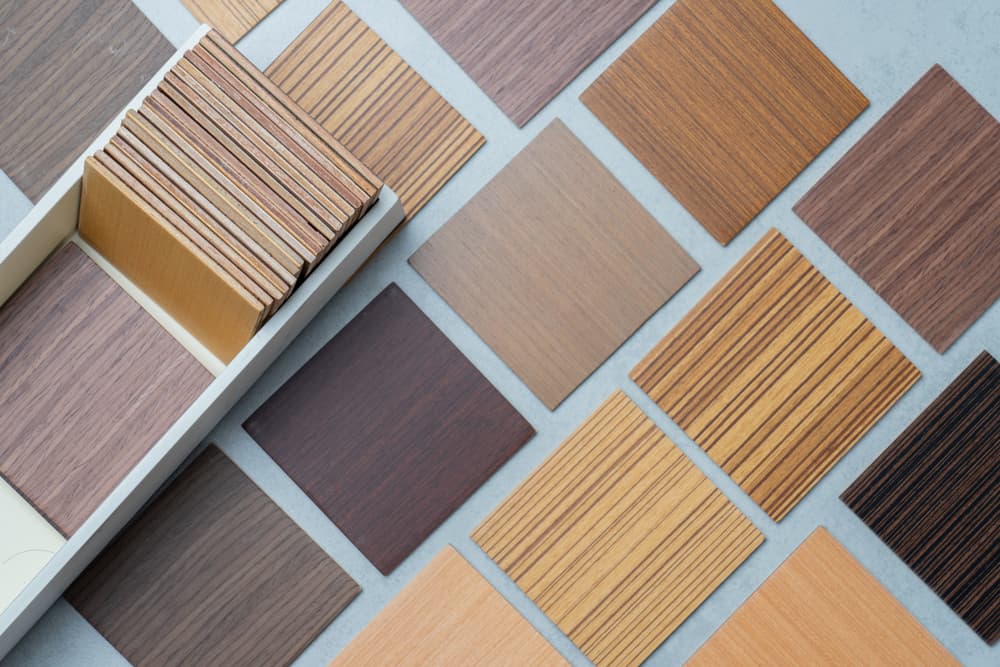
Wood veneer is real wood: a slice of timber shaved thin and bonded to a stable core such as MDF or plywood. Because the face is genuine hardwood, it carries true grain, depth and the way light moves across natural figure, and a maker can sand and refinish it when it tires. That authenticity is the whole case for veneer, and the reason it dresses the casegoods of premium suites where guests look closely.
What laminate is
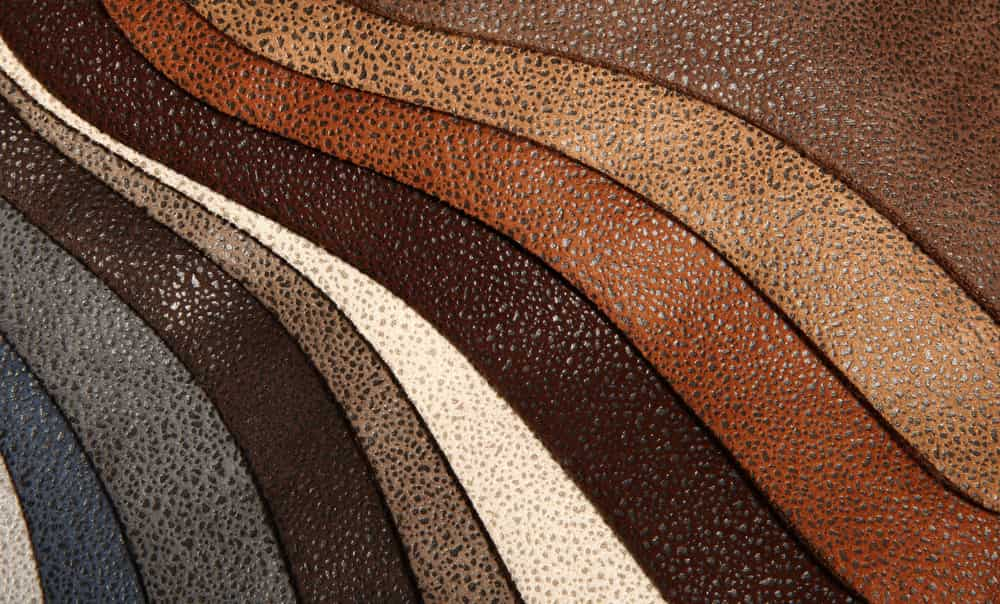
Laminate is an engineered surface. High-pressure laminate fuses layers of resin-soaked paper, topped with a printed decorative layer, into a single hard sheet bonded to the core. The print can mimic wood, stone or a solid colour, and the cured surface shrugs off scratches, heat and cleaning chemicals. Laminate trades the authenticity of real wood for toughness, consistency and a lower price, which is why it covers the hardest-working casegoods in a hotel.
The cores they share
Neither surface stands alone; both bond to an engineered core, and the core decides as much as the face. MDF gives a smooth, dense base ideal for veneer and paint; plywood holds screws and resists moisture better; particleboard and melamine-faced chipboard cut cost for lighter-duty pieces. In any veneer vs laminate choice, a buyer reads the core grade alongside the surface, because a beautiful face over a weak core still fails first.
Why casegoods rarely use solid wood
A fair question is why hotels surface casegoods at all rather than building them from solid timber. Large solid-wood panels move with humidity, warping doors and opening joints, and they cost far more in both material and weight. An engineered core under veneer or laminate stays flat, ships lighter and costs less, which is why solid wood stays in frames and accents while these two surfaces cover the flat panels. Where solid hardwood does belong sits in our hotel furniture materials guide.
Veneer vs Laminate, Head to Head
Set side by side, veneer vs laminate is less a winner-takes-all contest than a trade between authenticity and toughness, and a hotel rarely buys on one factor alone. The table below frames the comparison before each row gets its own explanation.
| Factor | Wood veneer | Lambris |
|---|---|---|
| Apparence | Genuine wood grain, natural depth | Printed pattern, highly consistent |
| Durabilité | Good, surface can mark or scratch | Very high, scratch and heat resistant |
| Moisture resistance | Needs sealing, sensitive to water | Non-porous, handles damp well |
| Réparer | Sands back; takes a fresh finish | Hard to repair; replace the panel |
| Cost | Higher, a premium for real wood | Lower, the economical choice |
| Best hotel use | Suites, feature casegoods, headboards | Desks, vanities, high-turnover rooms |
Appearance and authenticity
On looks, veneer wins where it matters most: nothing printed quite matches the depth of real grain under good light, and a discerning guest in a premium suite reads the difference. Laminate answers with consistency and range, repeating a flawless pattern across a whole floor and offering stone and solid-colour looks veneer cannot. The veneer vs laminate call on appearance comes down to whether a room sells on authentic character or on a clean, uniform finish.
Durability and moisture
On toughness, laminate leads. Its cured surface resists the scratches, heat and spills that mark a veneer, and it stays unbothered by the damp of a bathroom or a humid climate where veneer needs careful sealing. Veneer holds up well in dry, lower-contact settings but asks for more care. For the moisture-and-traffic test that decides most casegoods, laminate is the more forgiving half of the veneer vs laminate pairing.
Repair and refinishing
Repairability flips the result. A maker can sand and refinish a scratched or dented veneer in place, sometimes several times over a long life, which suits pieces a property means to keep for a decade. A damaged laminate panel will not take a refinish; the fix is to swap the part. This single difference often decides the veneer vs laminate question for long-life feature pieces, where veneer’s second life earns its premium.
Veneer vs laminate is rarely all-or-nothing
The best casegoods often use both. A wardrobe can wear a real-wood veneer on the doors and end panels a guest sees, with a hard laminate inside and on the base where wear is heavy and looks matter less. Reading veneer vs laminate as a per-surface decision rather than a whole-piece verdict lets a property buy authenticity exactly where it shows and toughness everywhere else.
Environmental credentials cut both ways. Veneer uses real timber but stretches a single log across many panels, and FSC or PEFC certification confirms it comes from well-managed forests. Laminate uses no precious wood and often carries recycled paper content, though its resins are synthetic. Neither is simply greener; a property that cares matches certified veneer or recycled-content laminate to its sustainability targets and asks for the documentation either way.
Cost, Lifespan and Value
Money usually settles a veneer vs laminate debate, but the honest comparison runs over a piece’s whole life, not just its invoice. A surface that lasts ten years rarely costs more than one replaced halfway through.
Which costs more
Laminate is the more economical surface. It uses no precious timber, applies in consistent sheets and needs no finishing line, so it carries a lower price across almost every casegood. Veneer commands a premium for the real wood and the skilled work of matching and finishing it, and that premium widens with rarer species and book-matched grain. The full set of factors behind a quotation sits in our note on hotel furniture prices; here the point is simply that veneer buys authenticity and laminate buys value.
Lifespan and the wear layer
Lifespan turns on how each surface ages. A contract laminate carries a wear layer thick enough to hold its look for a decade of cleaning and contact, after which the property swaps a worn panel. A veneer can outlast that if a property refinishes it, since the real-wood face takes a fresh finish, though a deep gouge through the thin slice is harder to hide. Matching the surface to how long a property means to keep the piece is the heart of the veneer vs laminate value question.
Which is the better value for a hotel
No single answer fits every room. For high-turnover and back-of-house casegoods, laminate’s low cost and toughness make it the clear value. For signature suites and feature pieces a property refinishes and keeps, veneer’s repairable real-wood face earns its premium over a long life. Value, in the veneer vs laminate sense, follows the role of the piece rather than the line on the quote.
Where a low price hides a higher cost
The cheapest casegood is rarely the lowest-cost one. A bargain laminate over a weak particleboard core can chip at the edges, swell at the first leak and loosen at the hinges within a season, pulling a room out of service and forcing an early replacement. The real saving comes from a sound core and edge under either surface, not from shaving the specification. Read across a whole property, a slightly higher unit cost on durable casegoods usually returns itself in fewer refurbishments down the line.
How to Tell Veneer From Laminate
Buyers and housekeeping teams often need to tell which surface a piece carries, whether to value an item or to clean it correctly. A few checks separate veneer vs laminate quickly, though none is fully reliable on a finished piece without the specification to confirm it.
Edges, grain and repetition
The clearest tells live at the edge and in the pattern. A real-wood veneer shows continuous grain that wraps from the face over the edge, and no two panels repeat exactly. Laminate often meets a separate edge band, and its printed pattern repeats across panels if a buyer looks for it. Grain that flows naturally and never repeats points to veneer; a flawless, recurring pattern points to laminate.
The touch and temperature test
Touch helps too. Real-wood veneer feels slightly warmer and carries faint texture along the grain, while laminate feels cooler, harder and uniformly smooth. Run a hand across a few panels: natural variation under the fingertips suggests veneer, while a perfectly even surface across every piece suggests laminate. Neither test is foolproof, so a buyer confirms with the specification sheet for any piece that matters.
Can you put veneer over laminate?
Applying wood veneer over an existing laminate surface rarely works well, because veneer glue bonds poorly to laminate’s slick, non-porous face and the join tends to lift over time. A maker who wants a veneer finish starts from a raw or veneer-ready core rather than covering laminate. For a hotel, the cleaner route is to specify the surface wanted from the outset rather than to convert one to the other later.
Cleaning each surface correctly
Housekeeping treats the two differently. Laminate takes a damp cloth and most neutral cleaners without complaint, which is part of its appeal in high-turnover rooms. Veneer asks for a gentler hand: a barely damp cloth, no standing water and no harsh solvents that strip the finish. Getting the routine right protects whichever surface a room carries and keeps both looking their age rather than older.
Casegoods: Where Veneer and Laminate Go in a Hotel
Casegoods are the hard furniture a hotel buys in volume, and the veneer vs laminate split runs right through them. Knowing what a casegood is, and where each surface belongs, keeps a specification consistent across a property.
What casegoods are
Casegoods are the non-upholstered, box-like furniture of a hotel: wardrobes, desks, dressers, nightstands, luggage benches, TV panels, drawer units and the cabinetry behind reception. They contrast with the upholstered seating and beds, and they carry most of a room’s storage and working surfaces. A typical guest room holds more casegoods than any other furniture type, which is why their surface choice shapes both the room’s look and its refurbishment cost. Because they are flat-panelled and built in quantity, casegoods are exactly where veneer and laminate compete most directly.
Guest-room casegoods
In the guest room, the surface follows the grade of the property. Upper-tier rooms often take a real-wood veneer on the wardrobe doors, desk top and headboard surround for warmth a guest notices, while mid-market and high-turnover rooms lean on laminate for its toughness and lower cost. These pieces sit within our guest room furniture range, built on cores chosen for the room’s traffic and climate, so a humid coastal property and a dry city hotel each receive casegoods suited to where they stand.
Lobby, reception and public casegoods
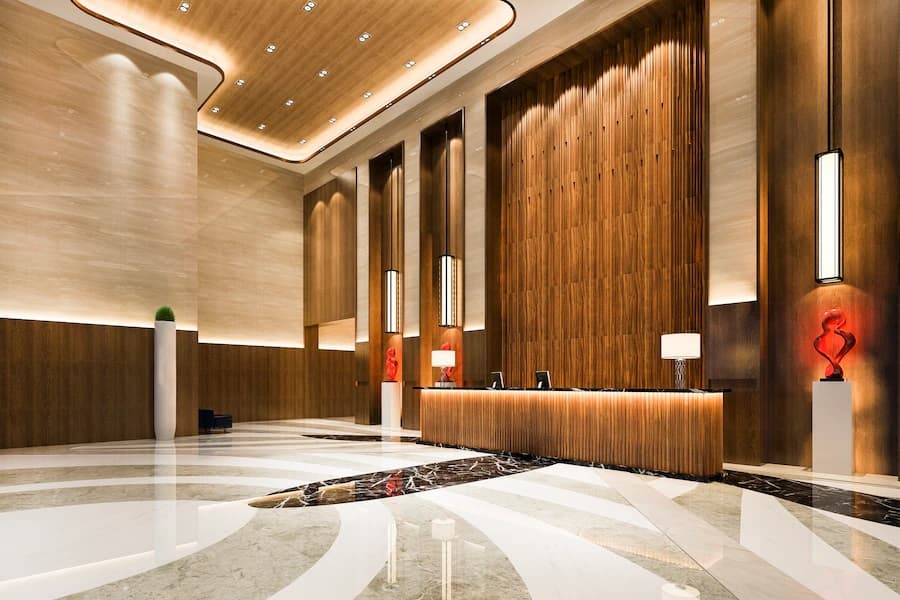
Front-of-house casegoods balance impression against heavy use. A reception desk or lobby feature cabinet may wear veneer where guests gather and photograph, with laminate on the working surfaces that take constant contact behind the counter, where a scratched panel would show within weeks under heavy use. Our lobby furniture et Meubles de restaurant ranges use the two surfaces side by side for exactly this reason.
Bathroom and vanity casegoods
Wet areas settle the surface question on their own. Bathroom vanities and kitchenette units meet standing humidity and frequent cleaning, so laminate over a moisture-resistant core is the contract default there, with sealed stone or solid-surface tops above. Veneer rarely belongs in a bathroom unless carefully sealed and kept clear of water, which is why most properties reserve real wood for the dry rooms.
Specifying Veneer and Laminate for Contract Use
A surface choice is only half a contract specification; the core, the construction and the compliance behind it decide whether a casegood survives a hotel. This is where a veneer vs laminate decision becomes a full material brief.
The core beneath the surface
The board grade carries the piece. Low-emission cores certified to CARB Phase 2 keep formaldehyde out of guest-room air, and moisture-resistant MDF or phenolic-bonded plywood holds its shape in bathrooms, vanities and humid climates where a standard board would swell. Whichever surface wins the veneer vs laminate call, a buyer specifies the core grade alongside it, because the core decides the lifespan as much as the face.
The core decides the casegood, not the surface alone
Two desks can wear the same laminate over completely different cores, and only one survives a humid bathroom or holds a hinge for years. A property that names the board grade — CARB Phase 2, moisture-resistant where needed — and the edge construction buys casegoods that last, rather than a pretty face that delaminates. The veneer vs laminate choice sits on top of that foundation, not in place of it.
Edge-banding and construction
Edges fail before faces do, so the edge detail matters. A quality casegood seals its edges with a matched band glued under heat, ideally a thicker, impact-resistant profile on the corners that meet trolleys and luggage. Drawer runners, hinges and back panels round out a build that survives commercial use, and a sealed top edge keeps moisture out of the core where a guest sets a wet glass. A specification that names the edge band and the hardware, not only the surface, is what separates contract casegoods from dressed-up domestic ones.
Hardware that outlasts the panel
The moving parts decide how a casegood ages as much as the surface. Soft-close drawer runners, concealed hinges rated for heavy cycles and sturdy back panels keep a wardrobe or desk working long after a domestic equivalent would loosen. A property that specifies the hardware grade alongside the surface and core buys a casegood that stays tight and quiet through years of guests.
Fire and sustainability compliance
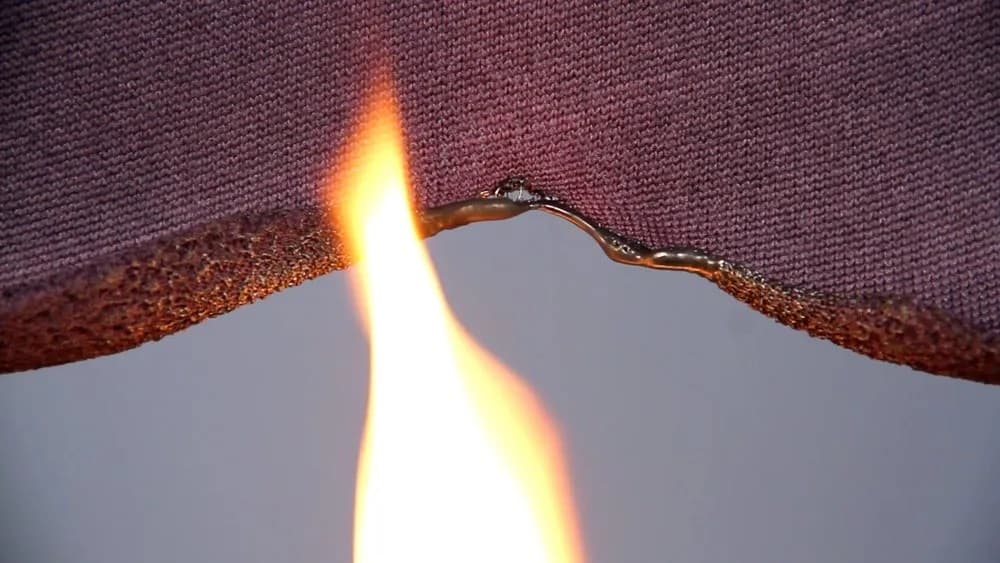
Casegoods answer to the same documentation as the rest of a project. Fire-rated boards and finishes carry the safety side, and a buyer confirms the standard for the destination market; our guide to the crib 5 fire rating sets out how contract fire testing works. On the environmental side, FSC or PEFC certification for the veneer and low-emission core grades sit in most tender packs. The wider material picture, beyond casegoods, runs through our hotel furniture materials pillar.
Choosing Between Veneer and Laminate for Your Project
With the comparison laid out, the veneer vs laminate decision becomes a matter of matching each surface to the job and the grade of the room. A clear rule of thumb closes the question.
When veneer is the right call
Veneer earns its place where authenticity and longevity matter most: signature suites, feature reception pieces, headboard surrounds and any casegood a property means to refinish and keep for a decade. Where guests look closely and the brand sells on real materials, the real-wood face repays its premium.
When laminate is the right call
Laminate wins where toughness, cost and consistency lead: high-turnover guest rooms, bathroom vanities, desks, back-of-house storage and any surface that meets water, heat or constant cleaning. For most of the casegoods a hotel buys in volume, laminate is the practical answer to the veneer vs laminate question, freeing the budget to spend on veneer where it earns attention.
A simple rule of thumb
If a single line has to settle it: specify laminate by default and upgrade to veneer where the room sells on real materials. The default handles the bulk of a hotel’s casegoods at the right cost and durability, while the upgrade puts authentic wood exactly where a guest notices it. That rule keeps a specification consistent across hundreds of rooms without over-spending or under-delivering.
Using both across a property
Most well-specified hotels use both, putting veneer where it shows and laminate where it works. Settled this way, the veneer vs laminate question stops being a compromise and becomes a tool for placing cost and character exactly where each belongs across a property. Specified well, casegoods quietly carry a property for a decade; chosen on the surface alone, they become the refurbishment a brand pays for twice. HFC manufactures contract casegoods in real-wood veneer and high-pressure laminate over certified cores, works trade and project only with no retail sales, ships to more than thirty countries with a two-year warranty, and supplies the test and certification documents each order needs. To brief casegoods in the right surfaces for your rooms, you can tell us about your project.
Foire aux questions
Is wood veneer real wood?
Yes. Wood veneer is a thin slice of genuine timber bonded to an engineered core, so the surface a guest sees and touches is real hardwood with true grain. Only the core beneath is engineered, which keeps the piece stable while giving it an authentic wood face.
Which is better, veneer or laminate?
Neither wins outright; the better surface follows the job. Veneer leads on authentic looks and repairability for premium, long-life pieces, while laminate leads on toughness, moisture resistance and cost for high-turnover and wet areas. A hotel usually specifies both, matching each surface to the room.
What are the disadvantages of wood veneer?
Wood veneer marks and scratches more easily than laminate, reacts to moisture unless sealed, and costs more for the real wood and the finishing work. A deep gouge through the thin slice is hard to hide. These trade-offs are the price of its authentic grain and its ability to be refinished.
How long does wood veneer last in a hotel?
A well-built veneer casegood lasts a decade or more in contract use, and longer where a property refinishes the surface as it tires. Lifespan depends far more on the core grade, the edge construction and the climate than on the veneer slice itself, which is why specification matters.
Is veneer furniture good quality?
Veneer furniture can be excellent or poor, and the surface alone does not tell you which. Quality lives in the core grade, the edge-banding and the construction beneath the veneer. A real-wood veneer over a certified, moisture-resistant core is a premium contract piece; the same face over a weak core is not.
Can you put wood veneer over laminate?
It rarely works well. Veneer glue bonds poorly to laminate’s slick, non-porous surface, so the join tends to lift over time. A maker who wants a veneer finish starts from a raw or veneer-ready core. For a hotel, specifying the surface wanted from the outset beats converting one to the other later.
What are casegoods in a hotel?
Casegoods are the non-upholstered, box-like furniture of a hotel: wardrobes, desks, dressers, nightstands, luggage benches, TV panels and reception cabinetry. They hold a room’s storage and contrast with upholstered seating and beds. Because they are flat-panelled and bought in quantity across a property, casegoods are where veneer and laminate compete most directly, and where a single material decision repeats across hundreds of rooms.