Вкратце
Custom hotel furniture is contract-grade furniture made to a hotel’s own specification — its brand colours, materials, dimensions and durability — rather than bought off a standard range. It lets a property fit awkward spaces, hold a consistent brand look, and build for heavy commercial use, which is why bespoke pieces sit behind most considered hotel interiors.
Walk through any hotel that feels coherent rather than catalogue-assembled, and most of what you are reacting to is custom hotel furniture: seating sized to the room, headboards in the brand’s exact tone, casegoods that fit the wall they sit against. Bespoke contract furniture is how a property turns a design scheme into a real interior, and how it builds pieces tough enough for years of guest use. This guide sets out what it is, where it pays off across the building, how it is made, and how to specify and source it well — with links to the deeper guides for each piece of the decision. The pieces themselves start with our guest room furniture range, built to order on a contract standard.
What Custom Hotel Furniture Is, and Why Hotels Choose It
Быстрый ответ
Custom hotel furniture is furniture built to a hotel’s own specification rather than bought from a fixed range: its brand colours, materials, dimensions and durability are all set by the property. Hotels choose it to fit their exact spaces, hold a consistent brand look, and build for the heavy use that standard furniture rarely survives.
Every hotel has rooms that no standard catalogue was drawn for: a tapering corner, a low window, a corridor of suites that all need the same headboard in the same tone. Bespoke furniture exists to answer exactly that. Rather than forcing a stock piece to almost fit, a property specifies the piece it actually needs — the size, the material, the finish, the construction — and a manufacturer builds it to that brief.
Custom, bespoke and made-to-order: the same idea
The trade uses several words for one concept. Custom, bespoke, made-to-order and tailored all describe furniture built to a customer’s specification rather than pulled from stock. Some makers draw a line between lightly customised stock pieces and fully bespoke designs, but for a hotel the practical question is simpler: how much of the piece does the property control? The more of the brief a hotel sets — dimensions, materials, finish, upholstery — the more genuinely custom the result.
Why hotels specify custom rather than standard
Three reasons drive most custom decisions. The first is fit: real rooms rarely match catalogue dimensions, and a bespoke piece uses the space a stock one wastes. The second is brand: a property that wants its own identity cannot build it from furniture every competitor can buy, so custom colours, materials and detailing carry the look. The third is durability: custom contract furniture is built to a commercial standard from the start, rather than a domestic piece pressed into a job it was never made for. Whether a given room actually needs custom or can take a strong standard piece is its own decision, which our guide on how to choose hotel guest room furniture works through in full.
Custom is a control decision, not a luxury one
It is tempting to read custom as simply the expensive option, but the real difference is control. Custom furniture hands the property the dimensions, the materials, the finish and the durability rating, instead of accepting whatever a stock range happened to decide. A modest boutique uses that control as much as a five-star resort does — the point is fit and brand, not price.
This is why custom hotel furniture spans the whole market, not just the top of it. A boutique property with thirty rooms leans on bespoke pieces to carve out an identity that punches above its size; a flagship resort uses them to hold a signature look across hundreds of rooms and several restaurants. The scale differs, but the reason is the same: each wants furniture that belongs to its building and its brand rather than to a supplier’s catalogue.
Where Bespoke Furniture Pays Off, Space by Space
Bespoke furniture does not have to mean every piece in the building. The skill is knowing where bespoke earns its place and where a strong standard piece will do, and that judgement runs space by space. The table below maps it, and the deeper product guides for each area carry the detail.
| Космос | Custom pieces that earn their place | What it gains the hotel |
|---|---|---|
| Номера для гостей | Headboards, beds, casegoods, desks, wardrobes | Exact fit and a consistent brand look across every room |
| Lobby and lounge | Signature seating, reception desks, coffee tables | A first space that reads as the brand, not a showroom |
| Restaurant and bar | Banquettes, dining chairs, bar stools, tables | Seating built to the layout and the covers it must turn |
| Outdoor and pool | Loungers, dining sets, weatherproof seating | Pieces matched to climate and the brand palette outdoors |
Guest rooms and suites
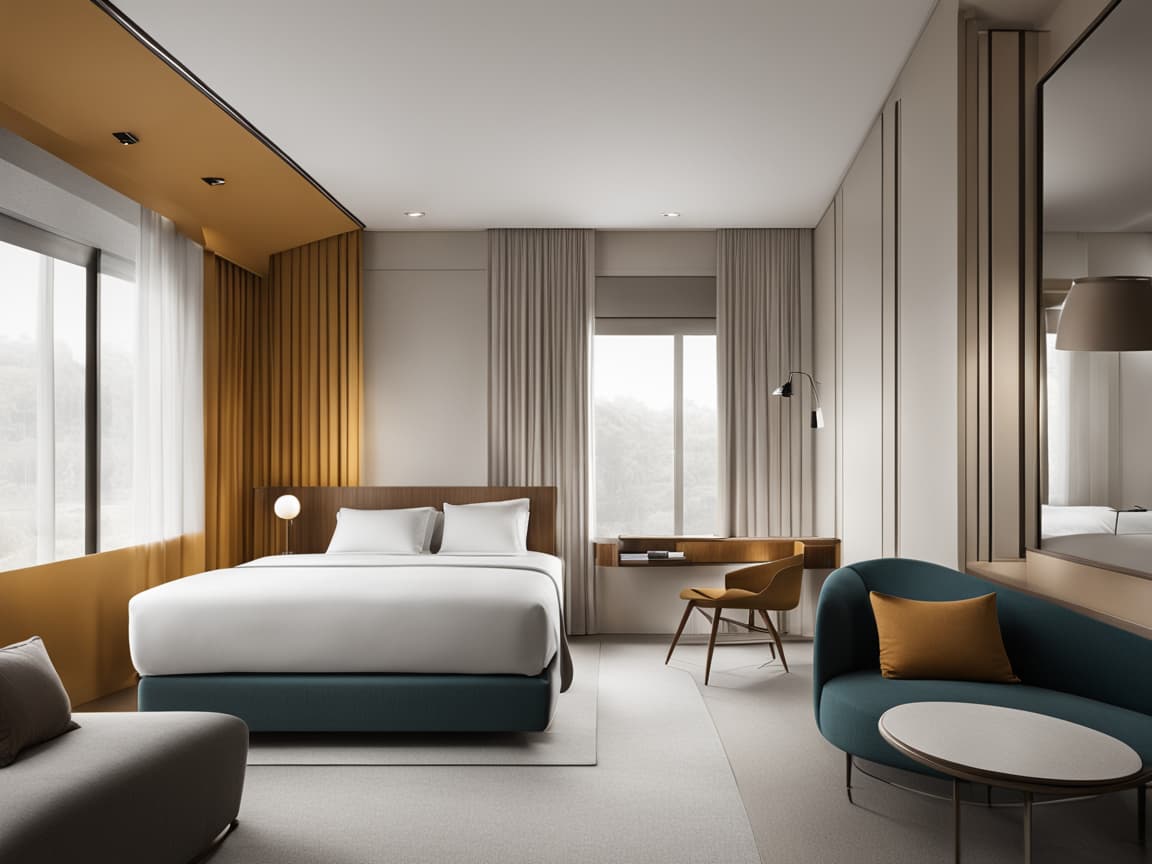
The guest room is where bespoke pays back fastest, because the room repeats. A headboard, a set of casegoods and a desk specified once and built across two hundred rooms holds a brand tone no stock mix can match, and fits dimensions a catalogue never knew. Specified once and repeated, a bespoke guest-room set also simplifies reordering and repair down the line, since every room shares one known standard. The full range sits in our guest room furniture и расположение сидячих мест в гостевой комнате pages.
Lobbies, lounges and reception
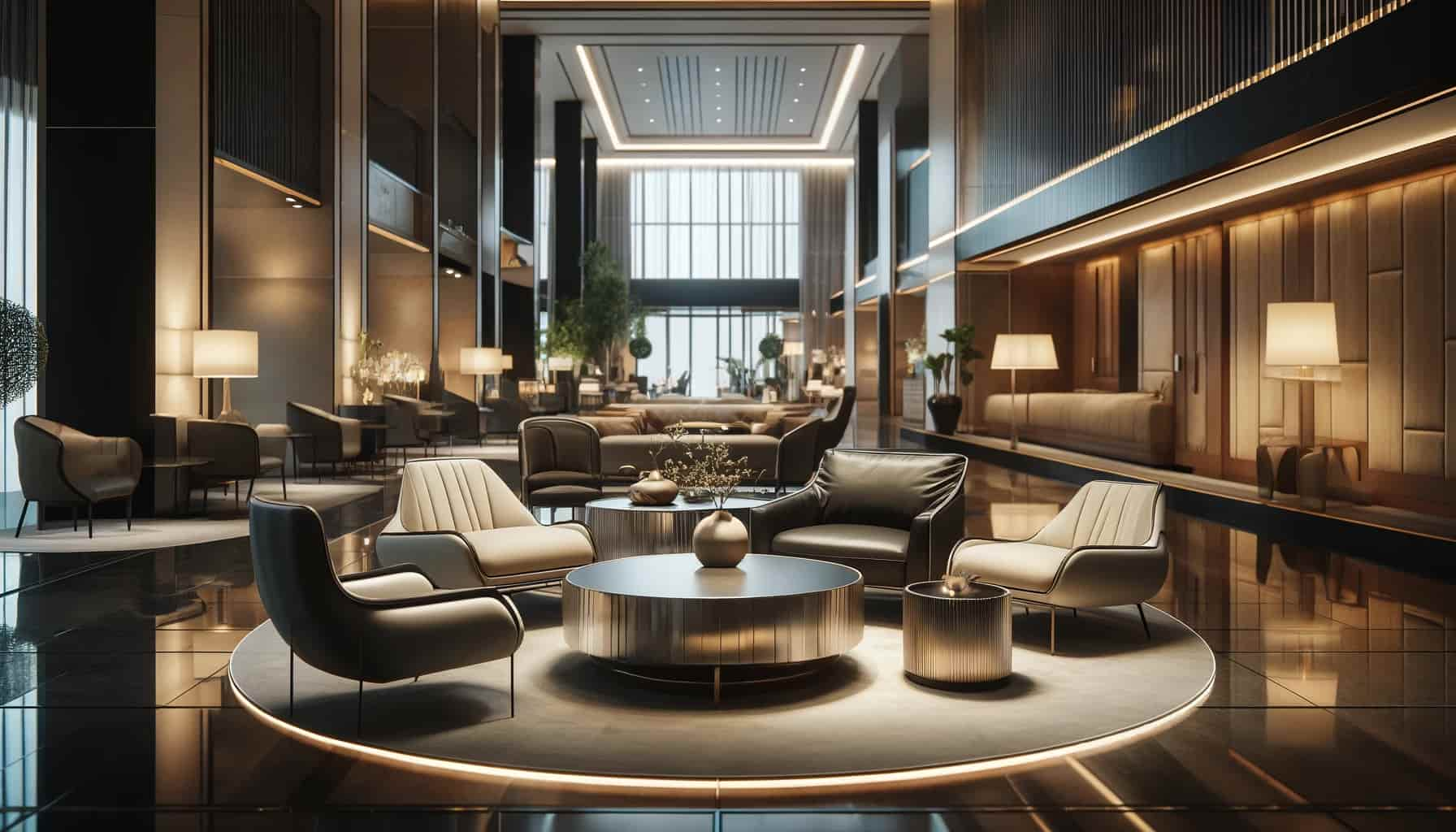
The lobby is the space a guest reads first, so it carries the most brand weight per square metre. Custom signature seating and a bespoke reception desk turn a lobby into a statement of the property rather than a furniture-store tableau, which is what our lobby furniture range is built around.
Restaurants, bars and outdoor spaces
Food and beverage spaces live or die on layout, and custom banquettes, dining chairs and bar stools let a property seat the covers it needs in the footprint it has — the focus of our ресторанное оборудование range. Outdoors, climate and brand both matter, so bespoke loungers and weatherproof dining sets from our outdoor furniture range carry the look past the lobby doors.
Where a standard piece is the smarter call
The flip side of the hub view is knowing when not to go bespoke. Back-of-house areas, low-visibility utility pieces, and items a strong contract range already covers well rarely justify a custom brief. Spending the custom budget where guests actually see and touch it — the headboard, the lobby seat, the restaurant banquette — and taking proven standard pieces elsewhere is what keeps a project both distinctive and sensible.
The Advantages of Custom Hotel Furniture
The case for bespoke furniture rests on more than the look, though the look is where it starts. Across a property’s life, bespoke furniture earns its place on brand, on fit and on the way it ages.
Brand identity and a consistent look
A hotel’s furniture is one of the most visible parts of its brand, and standard furniture spreads the same look across every property that buys it. Custom furniture does the opposite: it carries the colours, materials and detailing a property owns, so the seating in the lobby, the headboard in the room and the chair in the restaurant read as one identity rather than a collection of separate purchases.
Fit, comfort and contract-grade build
Because a bespoke piece is built to the room and the role, it fits where stock furniture compromises — the right seat height for the desk, the right depth for the lounge, the right scale for the suite. That same build runs deeper than looks: custom contract furniture is specified for commercial use from the frame up, with the materials and joinery to take constant guests, where a domestic piece in the same spot would loosen and wear within a season.
Long-term value
A custom piece usually asks for a higher figure at the order and returns it over the years that follow. Built to a contract standard and designed to a timeless brief rather than a passing trend, it stays in service and in style longer, which spreads its cost across more years than a cheaper piece replaced twice in the same span. A bespoke piece also tends to age into a property rather than out of it, gathering a settled, lived-in quality that trend-led stock loses as the trend passes. How those numbers actually compare is the subject of our Стоимость мебели в гостиницах guide.
Custom is bought once and lived with for years
The honest way to weigh custom hotel furniture is across its life, not at the invoice. A bespoke contract piece built to the room and the brand stays in service while trend-led stock furniture dates and a domestic piece wears out. Spread across the years it actually lasts, the bespoke route is frequently the cheaper one, not the dearer.
How Bespoke Hotel Furniture Is Made
Understanding how a custom piece comes together makes a property a far better client, because it shows where the decisions and the risks really sit. The path from idea to delivered piece follows a clear sequence.
From brief to prototype to production
A custom order starts with a brief: the dimensions, the materials, the finish, the durability the space demands. The manufacturer turns that into drawings and, on larger orders, a prototype or sample for sign-off, so the property approves the real thing before the run begins. Only then does production follow, built to the approved standard across the whole order. Catching a change at the drawing or prototype stage costs a conversation; catching it after production costs a remake.
Materials, finishes and upholstery
Custom reaches every layer of a piece. The frame can be solid timber or metal; the surface can be veneer, laminate, stone or a painted finish; the seating can carry any contract-grade fabric or leather the brand chooses. The upholstery side of that — choosing fabrics, custom covers and how to care for them — sits in our guide to hotel upholstery, and where the furniture is built carries its own argument, which our guide on furniture made in Turkey sets out.
For the material palette itself — the woods, metals, laminates, upholstery and stone a contract piece is built from — see our guide to hotel furniture materials.
Communication is the quiet ingredient in a custom order, and it separates the makers who deliver from the ones who disappoint. The strong ones keep a property informed from drawing to dispatch: confirming the brief in writing, flagging a material that behaves differently than expected, sending progress images from the workshop, and agreeing firm dates rather than hoping for them. A custom programme that runs on regular, specific updates rarely springs surprises at delivery; one that goes quiet between order and arrival often does. Treating the build as a shared project rather than a black box is as much a part of getting custom right as the specification that started it.
Sourcing Custom Hotel Furniture the Right Way
The promise of bespoke furniture only holds if the manufacturer behind it can deliver. Sourcing well is less about finding the lowest figure and more about finding a maker who builds for hospitality, holds a standard, and ships on time.
What a custom hotel furniture manufacturer should bring
A capable custom manufacturer shows three things: real hospitality experience rather than a domestic catalogue, genuine custom capability rather than light tweaks to stock, and a quality standard a property can verify before delivery. Contract experience matters because hotel furniture answers to durability and safety standards a home piece never meets. The full procurement process — briefs, quotes, contracts and checks — sits in our guide to buying hotel furniture.
It pays to read the warning signs as much as the credentials. A maker who cannot show finished hospitality projects, who treats a custom request as a minor change to a stock line, or who will not commit to a verifiable standard and a firm lead time is a risk on a project where every piece has to match and arrive on time. The right partner talks as readily about durability ratings and delivery dates as about design.
Trade terms, lead times and delivery
Custom furniture runs on project terms rather than retail ones. A trade manufacturer quotes against a specification, builds to a lead time measured in weeks rather than days, and ships on agreed terms to the destination market. Building that lead time into the project programme — rather than discovering it late — is one of the simplest ways to keep a fit-out on schedule. HFC works trade and project only, with no retail sales, on a four-to-eight-week lead time.
Specifying a Custom Order Well
Most of what makes a custom order succeed or fail comes down to the specification, long before anything is built. A few disciplines at that stage prevent the great majority of problems later.
Get the brief and dimensions right
A custom piece is only as good as the brief behind it, so the property owns the detail: exact dimensions measured on site, the brand colours and materials named precisely, the finishes specified rather than implied. The clearer the brief, the closer the delivered piece lands to the intent, and the fewer surprises arrive with the order. On a repeating order especially — a headboard built across two hundred rooms — an ambiguity multiplied two hundred times is an expensive thing to discover after production.
Specify durability, not just looks
The trap in custom work is specifying how a piece should look and leaving how it should last to chance. A good specification names the contract grade: the rub count for the fabric, the finish rating for the surfaces, the construction for the frame. Naming durability at the order, alongside the look, is what separates custom work that holds up from a beautiful piece that tires within a year.
A vague brief is the most expensive thing in custom work
Almost every costly remake in custom hotel furniture traces back to a brief that left something to assumption — a dimension, a tone, a finish, a durability grade. Time spent making the specification exact, and approving a sample before the run, is far cheaper than a production batch built to the wrong standard. Precision up front is the whole economy of bespoke.
Custom Furniture as a Brand and Investment Decision
Custom hotel furniture is, in the end, a decision about control: over how a property looks, how well its pieces fit, and how long they last. Specified well, bespoke contract furniture gives a hotel an interior that reads as its own brand, fits the spaces it actually has, and stands up to years of guest use — and across that life it frequently costs less than the stock furniture it replaces twice. HFC designs and builds custom contract furniture from Istanbul, works to a property’s own brand, materials and dimensions, ships to more than thirty countries on a trade-only basis, and backs each order with a two-year warranty. To turn a design scheme into furniture built for it, you can tell us about your project.
Часто задаваемые вопросы
What is custom hotel furniture?
Custom hotel furniture is contract-grade furniture built to a hotel’s own specification rather than bought from a fixed range. The property sets the dimensions, materials, finish and durability, and a manufacturer builds each piece to that brief, so it fits the exact spaces and carries the brand a stock range cannot.
What are the advantages of custom hotel furniture?
Custom hotel furniture fits real rooms that catalogues never measured, carries a property’s exact brand colours and materials across every space, and builds in contract-grade durability from the start. Over its life it often costs less than stock furniture, because it lasts longer and stays in style rather than dating.
Can hotel furniture be fully customised?
A hotel can customise almost every layer of a piece: its dimensions, the timber or metal frame, the surface finish, and the fabric or leather covering. A capable contract manufacturer works to the property’s own materials and brief, building seating, casegoods, headboards and tables to a single brand standard.
What furniture can a hotel have made custom?
Almost any hotel piece can be made custom: guest-room headboards, beds, casegoods and desks; lobby seating and reception desks; restaurant banquettes, chairs and tables; and outdoor loungers and dining sets. Specifying them together keeps one brand look and durability standard across the whole property.
How long does custom hotel furniture take to produce?
Custom hotel furniture runs on a lead time measured in weeks rather than days, since each order is built to specification rather than pulled from stock. A typical contract lead time runs around four to eight weeks, which a property plans into the fit-out programme rather than leaving to the end.
Is custom hotel furniture worth it for a hotel?
Custom hotel furniture earns its place when fit, brand or durability matter, which in a hotel is most of the time. A bespoke piece built to the room and the brand outlasts trend-led stock and survives commercial use, so weighed across its working life it frequently proves the more economical choice.