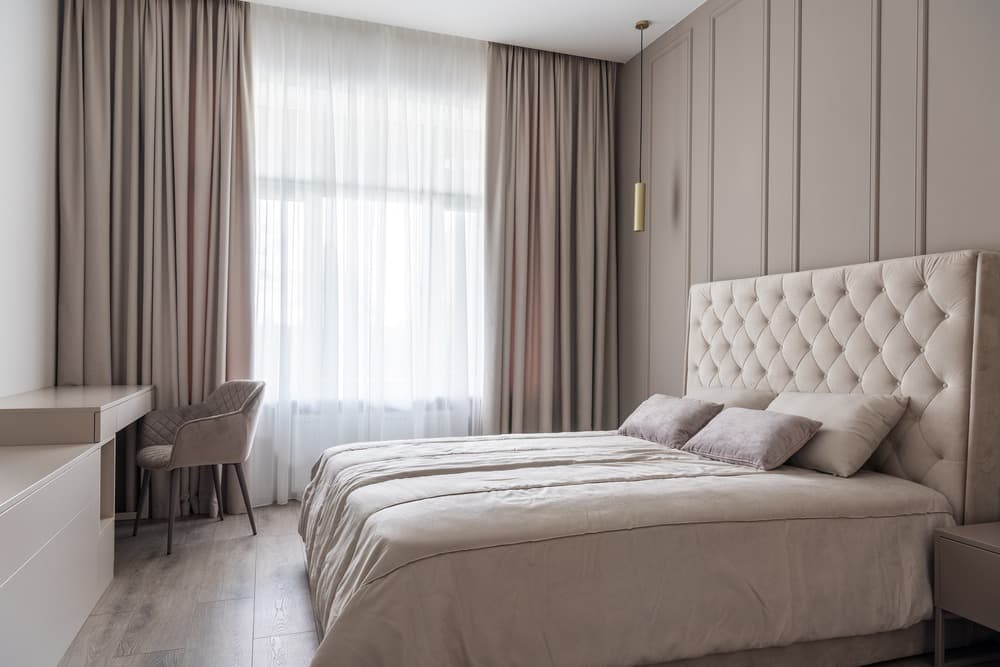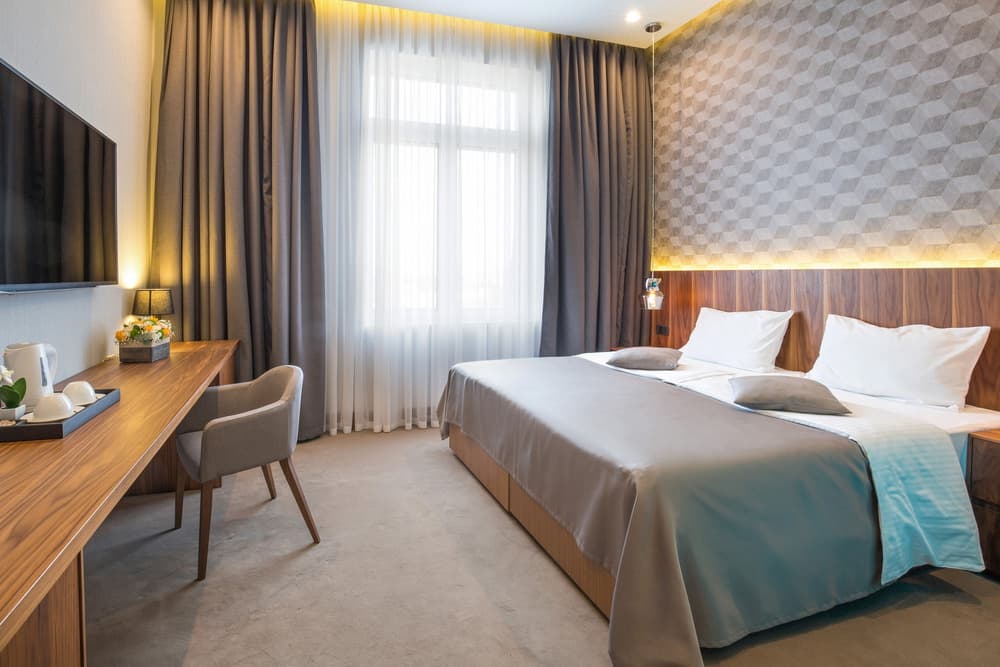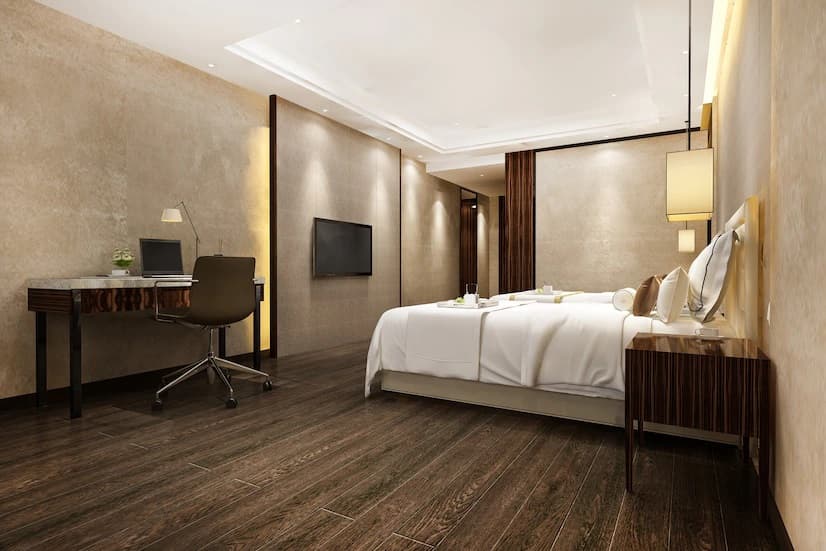
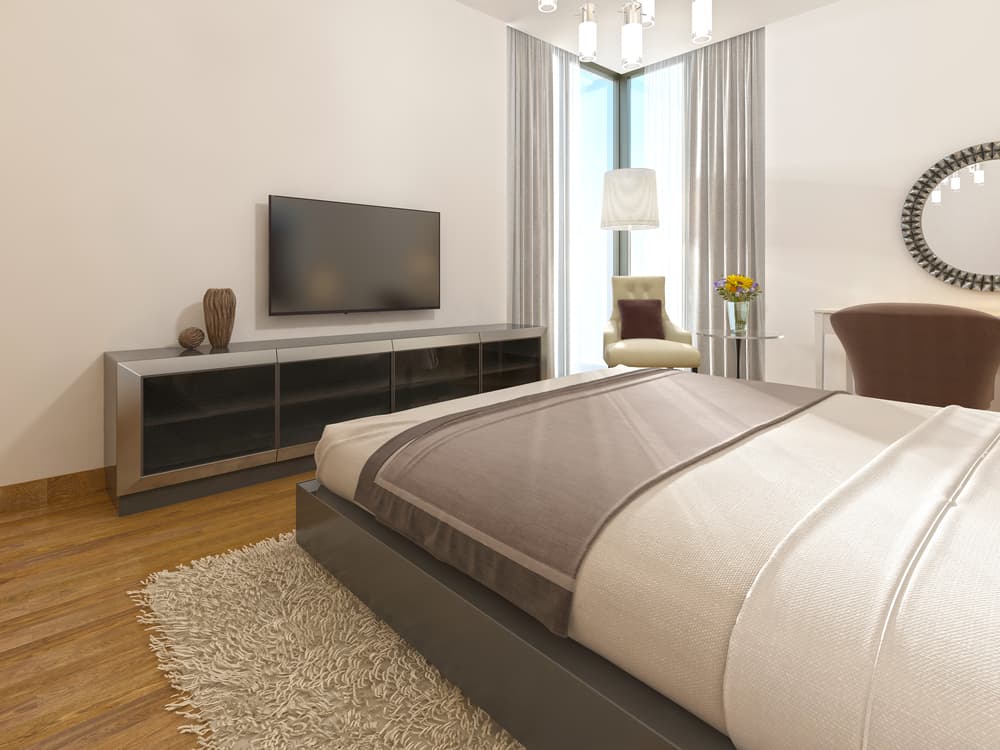
Selecting the right hotel guest room furniture plays a critical role in creating a comfortable and memorable experience for hotel guests. The guest room is the space where visitors spend most of their time during their stay, which means furniture choices directly influence guest satisfaction, online reviews, and repeat bookings.
Modern travelers expect more than just a bed and basic furnishings. They look for a thoughtfully designed environment that combines comfort, functionality, and aesthetic appeal. High-quality hotel guest room furniture helps hotels create a relaxing atmosphere while reinforcing their brand identity.
When hoteliers understand how to choose the best hotel room furniture, they can create guest rooms that feel welcoming, practical, and visually appealing. From comfortable beds to ergonomic workspaces and stylish storage units, every furniture piece contributes to the overall guest experience.
This guide explores how to choose the best hotel guest room furniture, what furniture items every hotel room should include, and how hotels can combine durability, design, and functionality in their furniture selection.
Why Hotel Guest Room Furniture Matters in Hospitality
Furniture plays a major role in shaping how guests perceive a hotel room. The design, comfort, and layout of hotel bedroom furniture influence how guests feel when they enter the space.
Well-designed hospitality guest room furniture offers several advantages:
improves guest comfort and relaxation
enhances the visual appeal of the room
strengthens the hotel’s brand image
increases positive guest reviews
supports long-term furniture durability
Hotels that invest in carefully selected hotel guest room furniture sets often create more memorable guest experiences.
Poor furniture choices can create discomfort, cluttered layouts, and maintenance issues. Because of this, furniture selection should be part of the overall hotel interior design strategy.
Essential Furniture Pieces in a Hotel Guest Room
Every hotel room requires a combination of functional and aesthetic furniture. These pieces help guests relax, work, and organize their belongings during their stay.
Hotel Beds and Headboards
The bed is the centerpiece of any guest room. Comfortable beds are one of the most important elements of hotel guest room furniture.
Hotels should focus on:
high-quality mattresses
durable bed frames
well-designed headboards
appropriate bed sizes (queen or king)
A comfortable bed improves sleep quality and greatly enhances the guest experience.
Nightstands and Bedside Tables
Nightstands provide convenient storage and accessibility for guests. These small furniture pieces allow guests to place personal items such as phones, books, and lamps within easy reach.
Modern hotel bedside tables often include:
storage drawers
built-in charging ports
compact designs that save space
Nightstands should align with the overall design style of the room.
Wardrobes and Storage Cabinets
Storage furniture plays a key role in maintaining an organized and comfortable guest room.
Practical hotel wardrobe furniture should include:
hanging space for clothing
shelving for folded items
luggage storage areas
Hotels often integrate wardrobes with mirrors to create a more spacious visual effect.
Work Desks and Chairs
Many hotel guests travel for business purposes. A comfortable workspace allows guests to work efficiently within the room.
A well-designed workspace includes:
an ergonomic chair
adequate lighting
accessible power outlets
Functional workspaces increase the appeal of hotel guest room furniture for business travelers.
Seating Areas and Lounge Chairs
Many modern hotel rooms include small seating areas where guests can relax.
Common seating furniture includes:
small sofas
coffee tables
These pieces add comfort and create a more welcoming environment.
Key Factors When Choosing Hotel Guest Room Furniture
Hoteliers should evaluate several factors when selecting hotel room furniture for hospitality projects.
Comfort and Ergonomics
Comfort remains the most important factor in hotel guest room furniture selection.
Guests expect furniture that supports relaxation and usability. Ergonomic seating, supportive mattresses, and well-positioned furniture improve the overall guest experience.
Hotels should prioritize:
comfortable beds
ergonomic chairs
properly positioned furniture
Comfortable rooms encourage guests to return.
Durability and Commercial Quality
Hotel furniture must withstand heavy daily use. Unlike residential furniture, hotel furniture needs to perform under continuous guest turnover.
Durable hospitality furniture typically uses:
solid wood frames
metal reinforcement
stain-resistant upholstery
scratch-resistant surfaces
High-quality materials reduce long-term maintenance costs.
Space Optimization
Hotel rooms often vary in size. Furniture should maximize available space without making the room feel crowded.
Hotels can optimize space by using:
compact wardrobes
multifunctional furniture
wall-mounted desks
storage beds
Efficient layouts improve room usability.
Design and Brand Identity
Furniture should align with the hotel’s design concept.
For example:
luxury hotels use elegant upholstered furniture
boutique hotels may use custom furniture designs
business hotels often choose minimalist furniture
Consistent design creates a strong brand identity.
Custom Hotel Guest Room Furniture
Many hotels prefer custom hotel furniture because it allows greater design flexibility.
Custom furniture offers several advantages:
personalized design elements
optimized furniture dimensions
consistent design language
stronger brand identity
Hotels often collaborate with hotel furniture manufacturers to create custom pieces that match their interior design vision.
Custom manufacturing also ensures that furniture fits perfectly within each guest room layout.
Modern Trends in Hotel Guest Room Furniture
The hospitality industry constantly evolves, and furniture design trends change accordingly.
Several trends influence modern hotel guest room furniture design.
Minimalist Furniture Design
Modern hotels prefer simple, clean furniture designs that create a calm and elegant atmosphere.
Multifunctional Furniture
Furniture that serves multiple purposes helps maximize space in hotel rooms.
Examples include:
storage beds
convertible desks
modular seating
Sustainable Hospitality Furniture
Eco-friendly materials are becoming more popular in hotel projects.
Hotels now use:
recycled wood
eco-friendly fabrics
sustainable finishes
Technology Integration
Smart hotel rooms now integrate technology with furniture.
Examples include:
wireless charging bedside tables
smart lighting systems
adjustable beds
These features improve convenience for guests.
Conclusion
Selecting the right hotel guest room furniture requires careful planning and attention to detail. Furniture directly affects guest comfort, room functionality, and the overall perception of the hotel.
By choosing high-quality beds, ergonomic workspaces, durable storage units, and stylish seating, hotels can create guest rooms that combine comfort and elegance.
Modern hospitality projects require furniture that balances aesthetics, durability, and functionality. When hotels invest in thoughtfully designed hotel guest room furniture, they create memorable environments that encourage positive guest experiences and repeat visits.
FAQ
What furniture should be in a hotel guest room?
Essential hotel guest room furniture includes a bed, bedside tables, wardrobe, desk, chair, luggage rack, and seating area. These items provide comfort, storage, and functionality for hotel guests.
What materials are best for hotel guest room furniture?
Solid wood, laminate surfaces, and durable upholstery fabrics are commonly used in hotel furniture manufacturing because they provide durability and easy maintenance.
Why is comfort important in hotel guest room furniture?
Comfort improves guest satisfaction and sleep quality. Comfortable hotel bedroom furniture encourages guests to return and recommend the hotel to others.
Should hotels use custom guest room furniture?
Many hotels choose custom hotel furniture because it allows them to create unique designs that match their brand identity and interior concept.
How often should hotel guest room furniture be replaced?
Most hotels renovate or replace hotel room furniture every 7–10 years, depending on usage, material quality, and hotel standards.