
Hotel Guest Room Seating
Contract-grade hotel armchairs — lounge, accent, reading, wingback, club and barrel chairs for guest rooms and suites. Kiln-dried hardwood frames, CMHR foam, EN 1021 fire-rated upholstery, custom fabric and dimensions. Made to order in our Istanbul workshop.
30+
Years manufacturing
80k+
Martindale option
EN 1021
FR upholstery
2 yrs
Frame warranty
Overview
The hotel armchair is the defining piece of guest-room seating — the seat a guest chooses over the bed to read, work, or have a morning coffee. It is also the piece guests judge most directly on comfort, which is why it rewards proper specification more than almost anything else in the room. Whether the brief calls it an accent chair, a lounge chair, an occasional chair or a reading armchair, the job is the same: a comfortable, durable seat that holds its shape after a different guest sits in it every night for years.
HFC manufactures hotel armchairs in four families — the lounge or reading armchair built for a longer, relaxed sit; the accent chair chosen for silhouette and fabric; the wingback for heritage and boutique rooms; and the compact club and barrel chairs that fit a standard room without crowding it. Every one is built on a kiln-dried hardwood frame with doweled, corner-blocked joints and a high-resilience or CMHR foam seat, then upholstered in your specified contract fabric, faux leather or leather.
This is contract furniture, not residential. A bedroom armchair bought from a furniture store is built for a home where one or two people use it gently for a few hours a day; a guest-room chair absorbs hundreds of different guests a year plus daily housekeeping. That difference lives inside the chair — in the frame joinery, the foam density and the fabric rub count — and it is the part a photograph never shows. The sections below set out exactly what to specify, by chair type and by star rating, so the hotel armchair you order survives the full refurbishment cycle rather than failing halfway through it.
At a glance — key specifications
Chair families
Lounge, accent, wingback, club & barrel
Seat height
45–50 cm from floor
Seat depth
50–55 cm (lounge), less for accent
Overall width
Under 75 cm for standard rooms
Frame
Kiln-dried hardwood, doweled & blocked
Foam
HR / CMHR, 35–45 kg/m³
Upholstery
Min. 30,000 Martindale; 80,000+ for lounges
Fire
EN 1021-1/2 or TB 117-2013
Finish matching
Coordinated with room casegoods
Lead time
6–10 weeks from sample approval
How We Work
01
Trade & contract only
We work with hotels, developers, interior studios and procurement teams — not the public.
02
Made to your project
Every piece is built to your drawings, finishes, fire ratings and quantities. Nothing off the shelf.
03
Priced by project
No retail price list and no online shop — each project is quoted from its spec, direct from our factory.
04
Delivered worldwide
We crate, ship and install to site across 40+ countries, on a single or phased schedule.
Armchair Types
A clear taxonomy makes specification faster. These are the hotel armchair types that recur across guest rooms and suites, with the job each one does and the room it suits.
Lounge / Reading Armchair
The defining guest-room seat, built for a longer, relaxed sit. Deep seat, generous arms, medium-firm cushion — the chair guests choose over the bed to read or work.
Accent Armchair
Chosen for silhouette and fabric. A sculptural frame and a feature textile that lifts the room — the piece photographers shoot and guests notice first.
Wingback
High-backed with side wings for head support and a sense of enclosure. The classic choice for heritage and boutique rooms with floor space to spare.
Club Armchair
Low, deep and fully upholstered with rolled arms. A compact, comfortable lounge seat that fits a standard room without crowding it.
Tub / Barrel
A curved, enclosing back in a compact footprint. Wraps the sitter, suits awkward corners, and is quick for housekeeping to clean around.
Bergère
An exposed-wood frame with upholstered back, seat and arm pads. A refined, traditional armchair for classic and boutique interiors.
Swivel Armchair
A rotating seat on a return base. Adds a contemporary, interactive feel and works where a guest shifts between window, TV and desk.
Cocktail / Occasional
A lighter, smaller-scale armchair for tight rooms and secondary seating, where a full lounge chair would crowd the walkway.

Specify the armchair by how guests use the room, not by the showroom photo. A business hotel needs a supportive reading armchair beside the desk; a resort wants a deep lounge chair by the window. And scale it to the room — keep the overall width under about 75 cm for a standard guest room so the chair invites a sit without blocking the walkway.
Armchair Type Selector
Select a family to see what each hotel armchair type is for, how it is specified, and which rooms it suits best.
Comfort-led · standard rooms & suites
The lounge armchair — what most guests would call a comfortable armchair for reading — is the comfort workhorse of the guest room. A deeper seat, a gently reclined back and a generous cushion make it the chair a guest actually settles into. It is the most-specified hotel armchair across all tiers, because every room needs one genuinely comfortable seat that is not the bed.
Best for
Every guest room that has space for a relaxing seat, reading corners in suites, and any property whose guests stay more than a night or two and expect somewhere comfortable to sit. The default choice when the brief is comfort first.
✓ Seat depth 50–55 cm and a reclined back angle for a longer, relaxed sit
✓ HR or CMHR foam seat, 40–45 kg/m³, firmness tuned to the property’s clientele
✓ Often paired with a matching ottoman for a leather armchair and ottoman set
✓ Wide fabric range — woven contract cloth, performance velvet, faux leather or leather
✓ Removable, cleanable seat cushion option for housekeeping
✓ Compact lounge profile keeps overall width under 75 cm for standard rooms
Comfort note
Foam density and firmness are two different numbers. Density (kg/m³) is what keeps the seat from flattening over years; firmness (ILD) is how soft it feels. Properties with an older clientele usually ask for a firmer ILD and a little extra lumbar support — specify both on the drawing, not just “comfortable”.
Model Gallery
Choose an armchair type below — the gallery filters to show the matching hotel armchair models. Every armchair is built to order on a contract-grade frame and available in your specified fabric, faux leather or leather.
 All 63
 Barrel / Tub 21
 Bergère 15
 Accent 12
 Club 6
Wingback 5
Club 6
Wingback 5
 Swivel 4
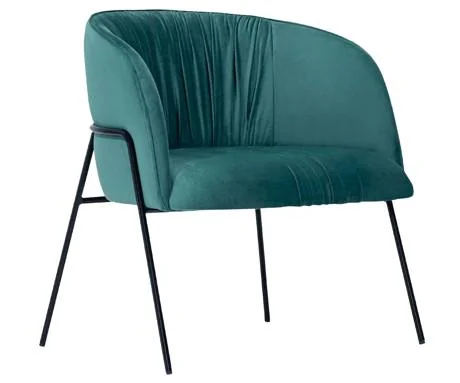
Adrian
Barrel / Tub
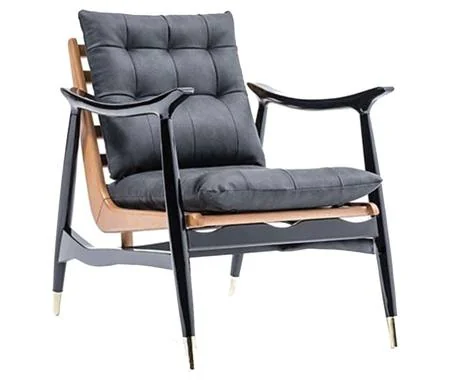
Bonna
Bergère
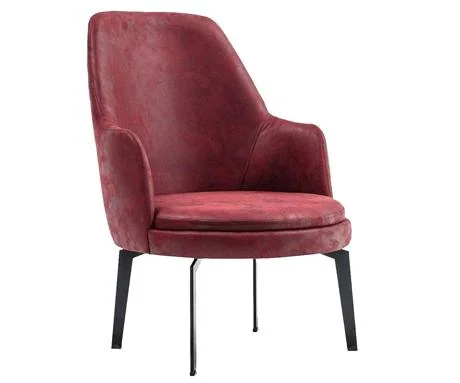
Abby
Accent
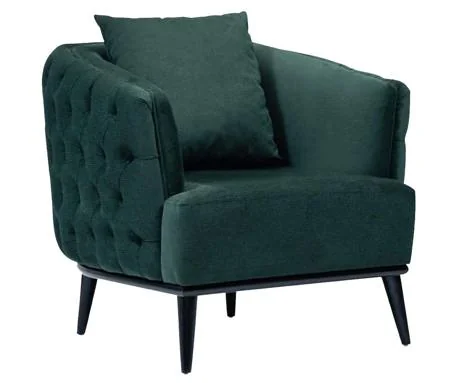
Adel
Club
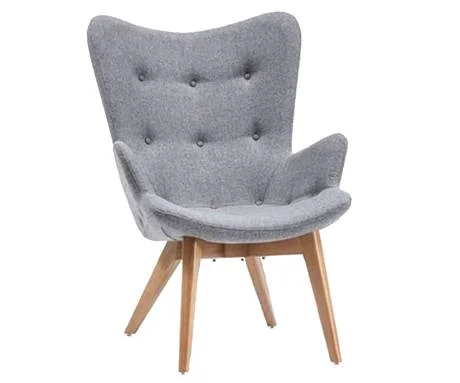
Arma
Wingback
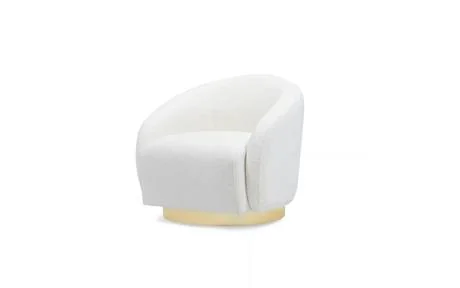
Martha Lounge
Swivel
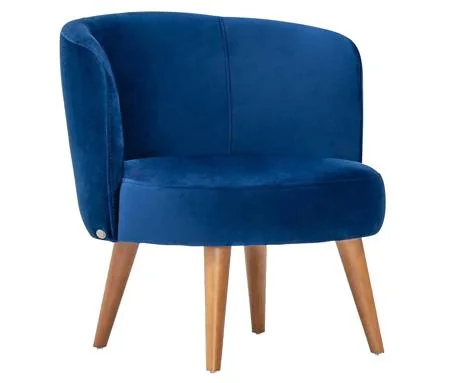
Athena
Barrel / Tub
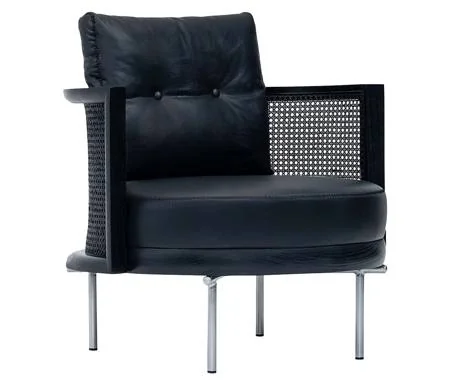
Breeze
Bergère
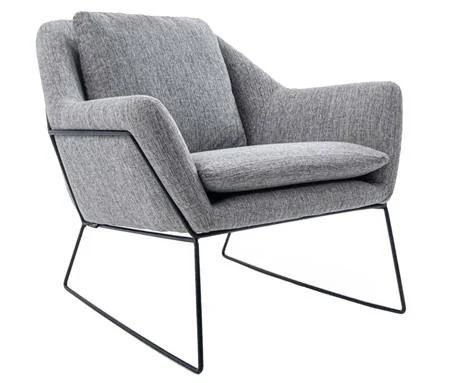
Adore
Accent
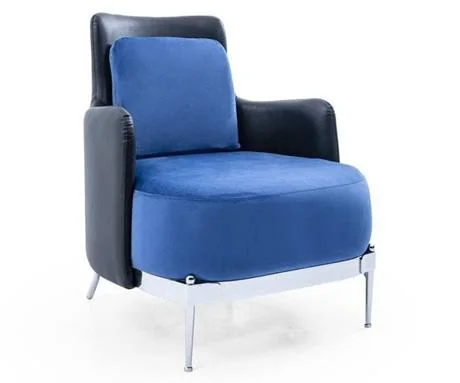
Berta
Club
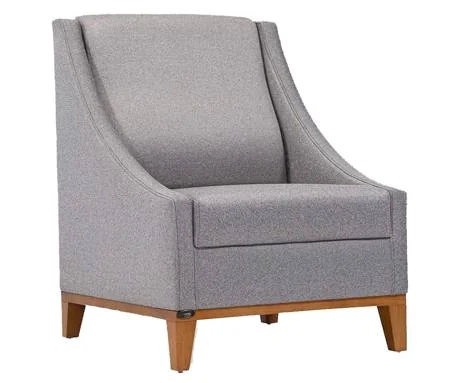
Fox
Wingback
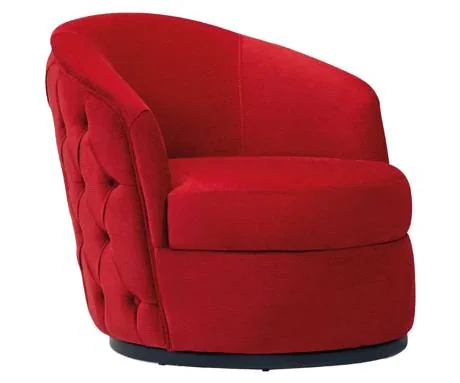
Octavia
Swivel
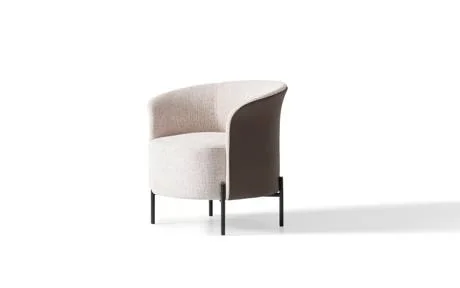
Bade Lounge
Barrel / Tub
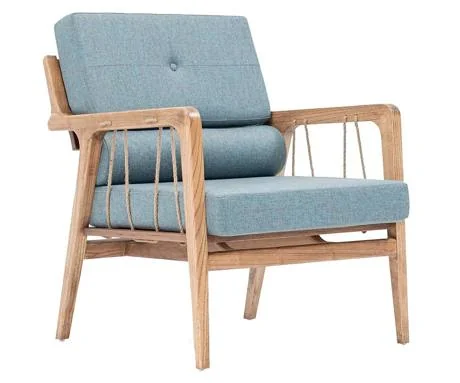
Bruno
Bergère
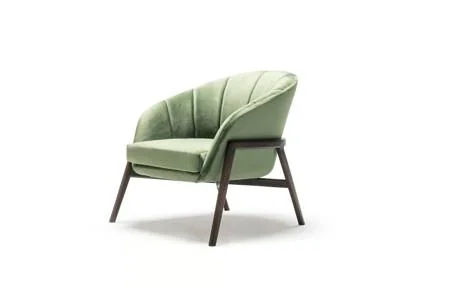
Beetle Lounge
Accent
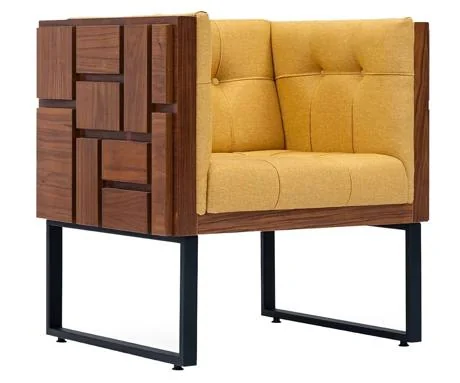
Carmen
Club
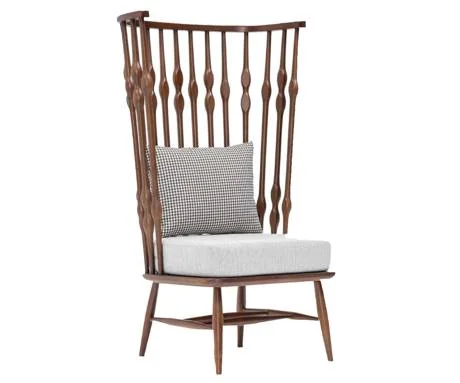
Ida
Wingback
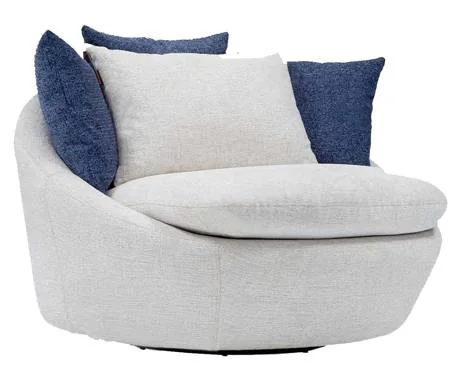
Pasific
Swivel
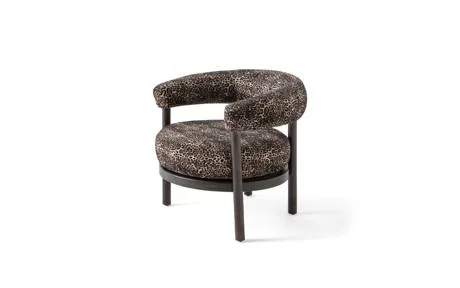
Balzac Lounge
Barrel / Tub
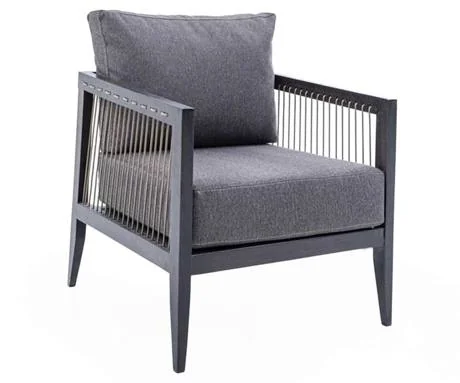
Focus
Bergère
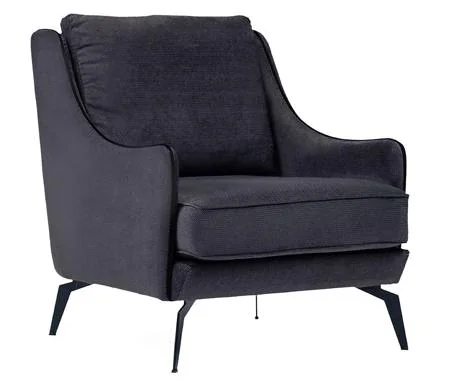
Beta
Accent
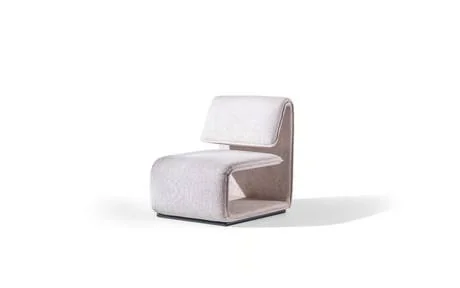
Lego Lounge
Club
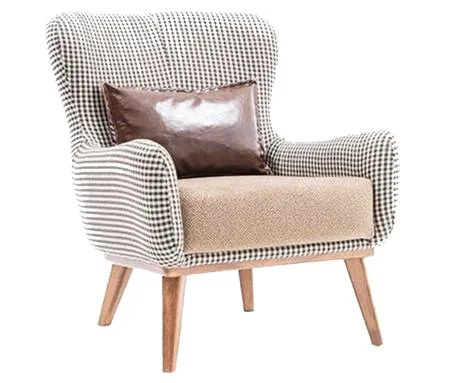
Marcao
Wingback
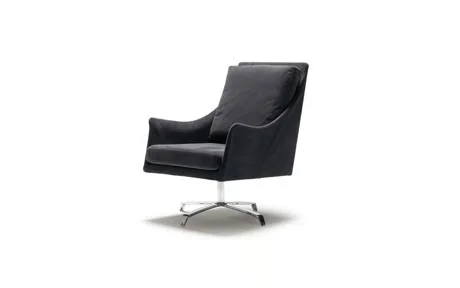
Shellby Lounge
Swivel
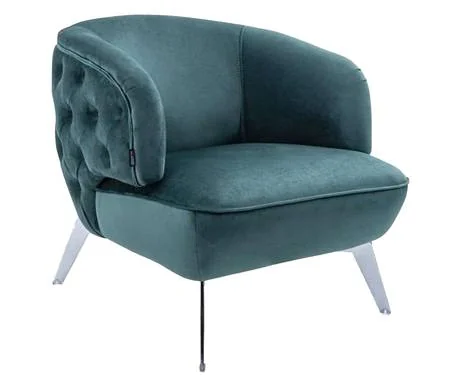
Bubble Quilted
Barrel / Tub
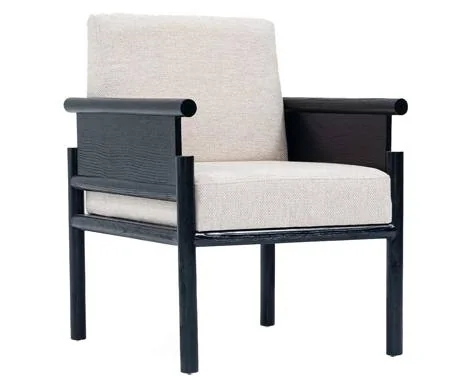
Frida
Bergère
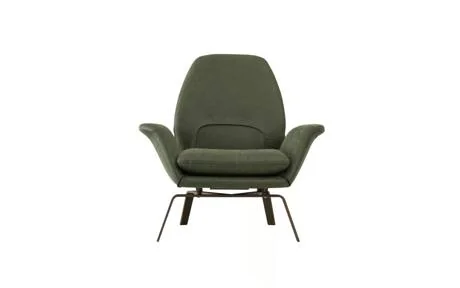
Bovisa Lounge
Accent
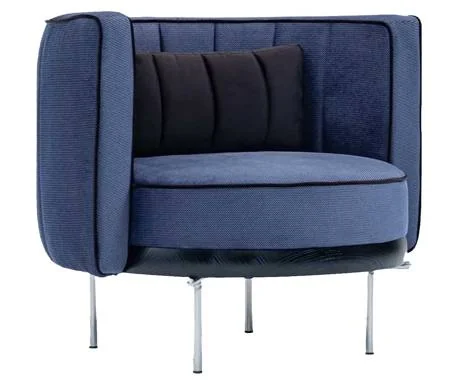
Nautica
Club
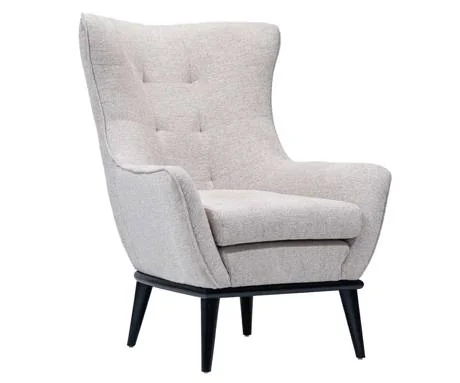
Reka
Wingback
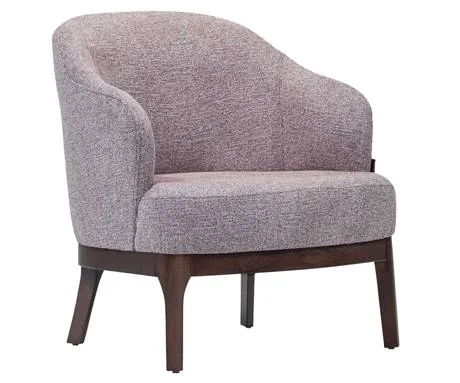
Clan
Barrel / Tub
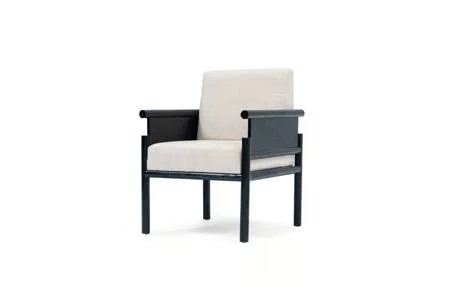
Frida Lounge
Bergère
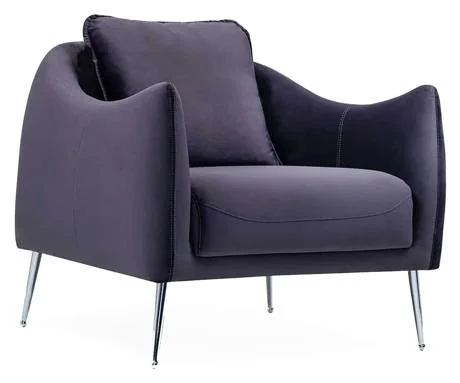
Janet
Accent
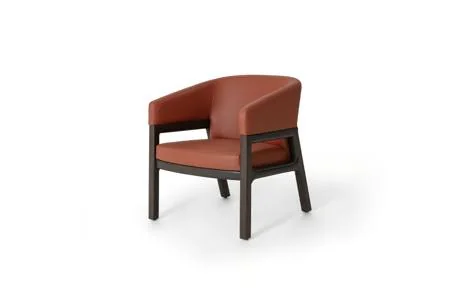
Scala Lounge
Club
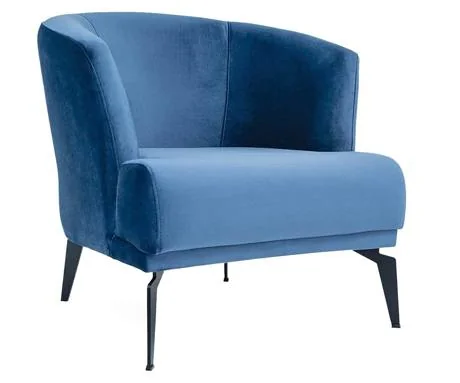
Diamond
Barrel / Tub
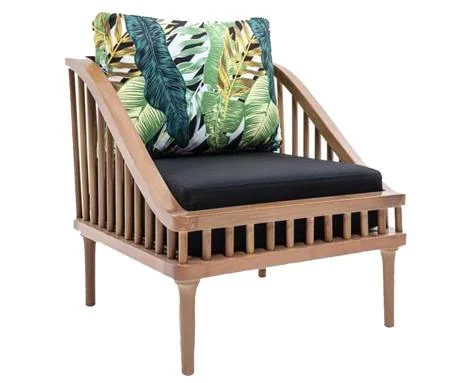
Harley
Bergère
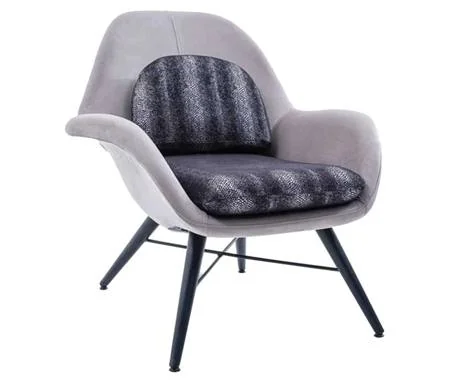
Manhattan
Accent
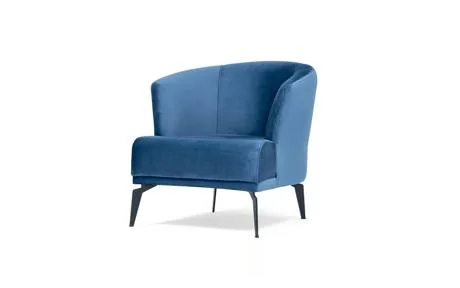
Diamond Lounge
Barrel / Tub
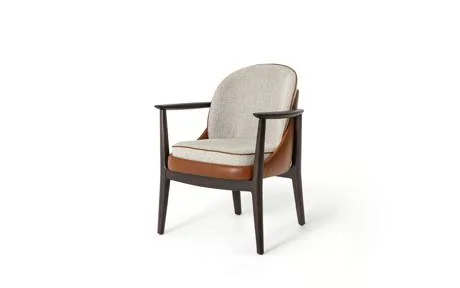
Inca Lounge
Bergère
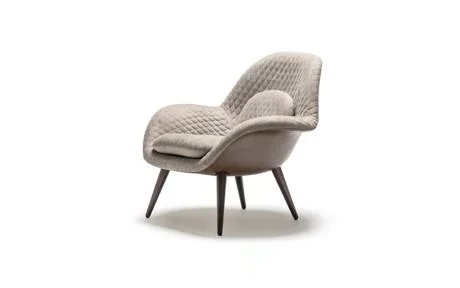
Nare Lounge
Accent
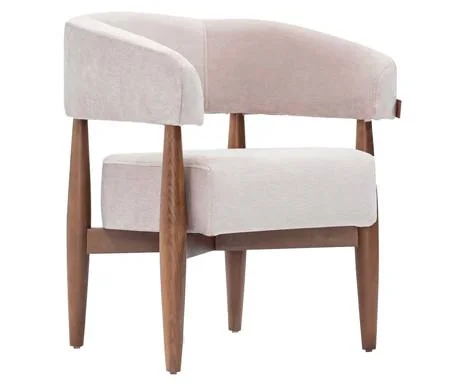
Happy
Barrel / Tub
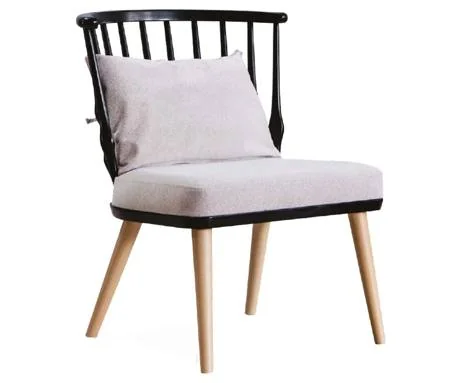
Ocean
Bergère
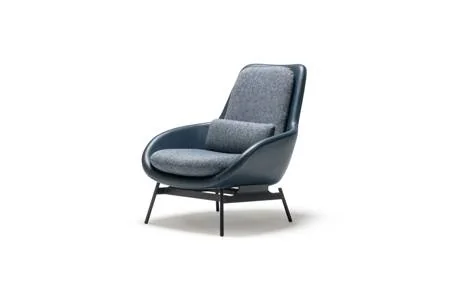
Ortica Lounge
Accent
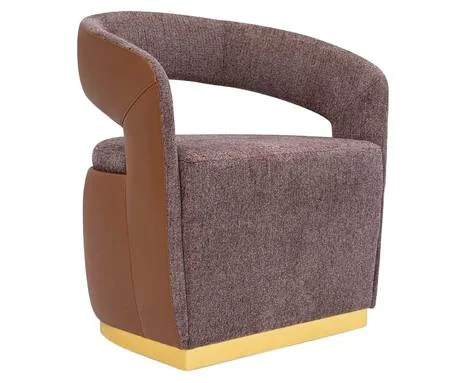
Jasmine
Barrel / Tub
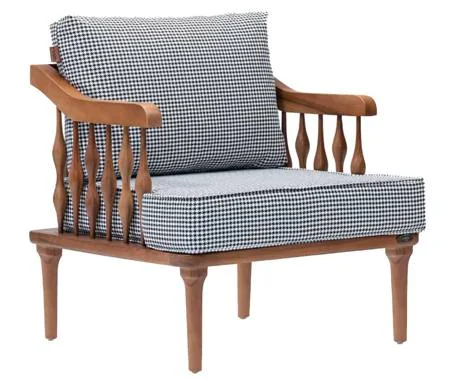
Orion
Bergère
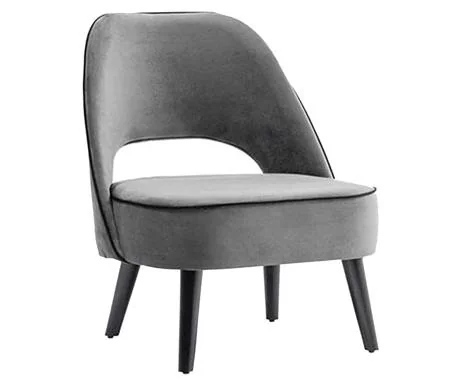
Paris
Accent
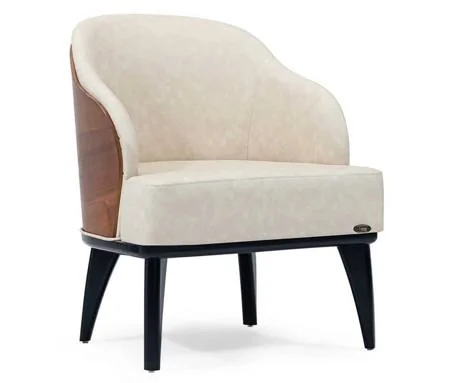
Latte
Barrel / Tub
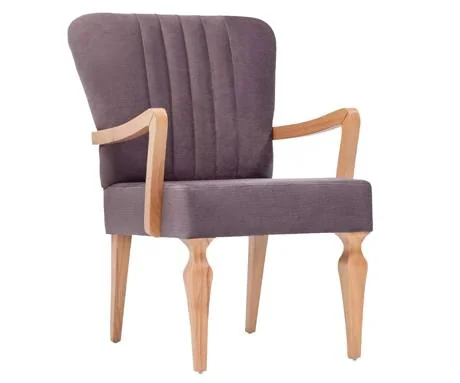
Parma
Bergère
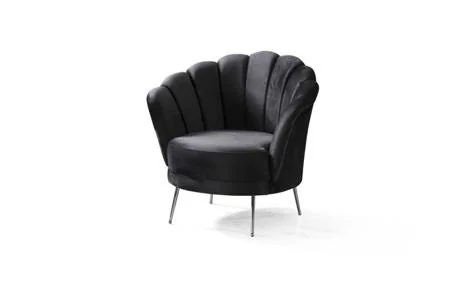
Sevilla Lounge
Accent
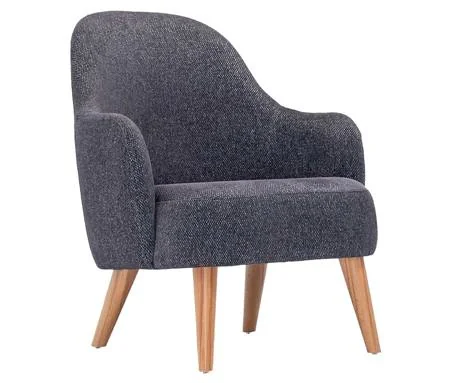
Live
Barrel / Tub
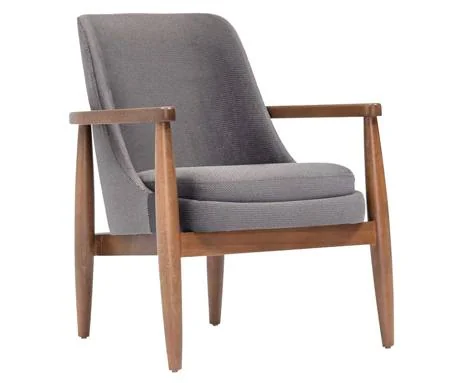
Petra
Bergère
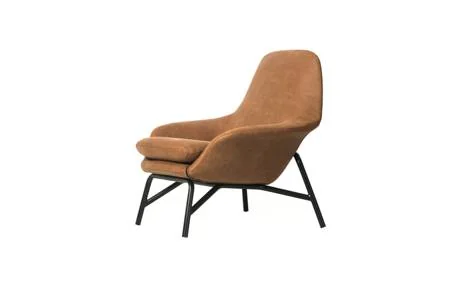
Turro Lounge
Accent
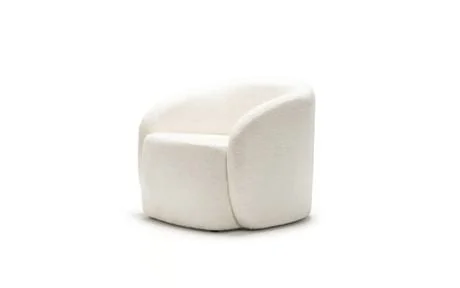
Lumos Lounge
Barrel / Tub
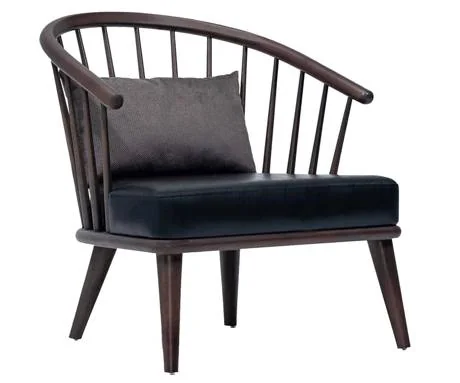
Ruby
Bergère
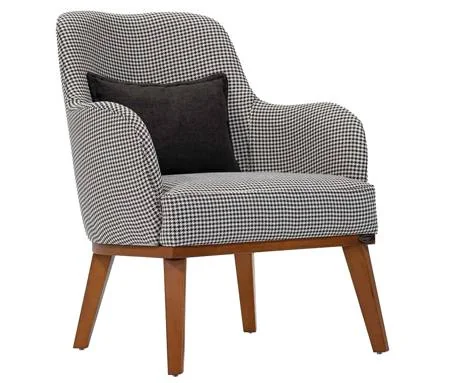
Madrid
Barrel / Tub
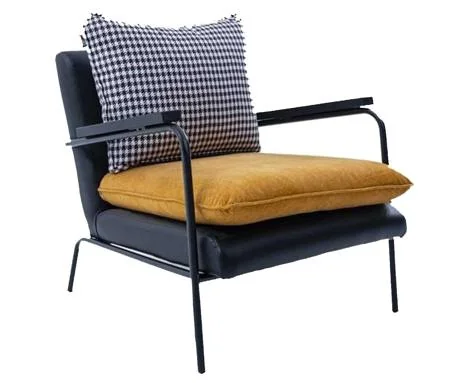
Simon
Bergère
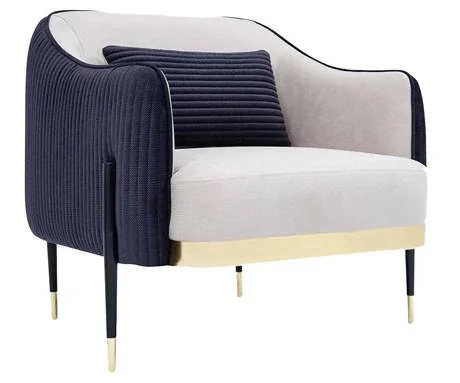
Meghan
Barrel / Tub
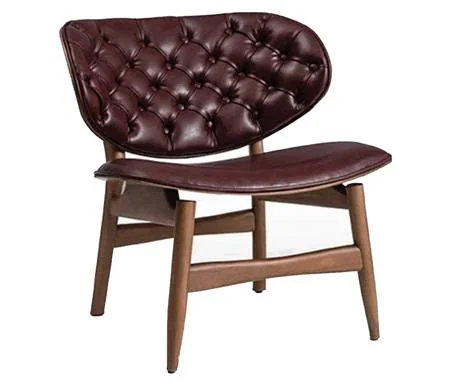
Valente
Bergère
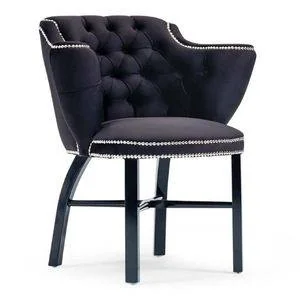
Nemesisus
Barrel / Tub
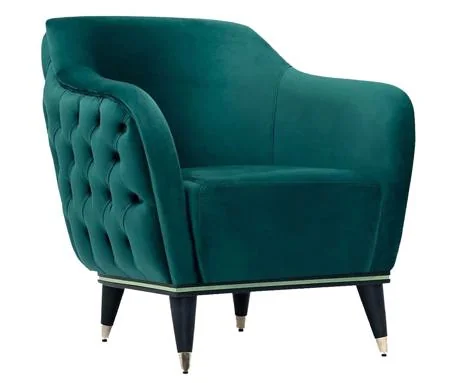
Nicole Quilted
Barrel / Tub
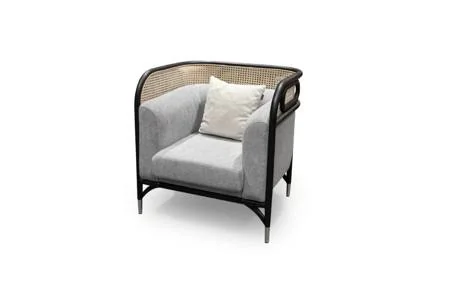
Orbis Lounge
Barrel / Tub
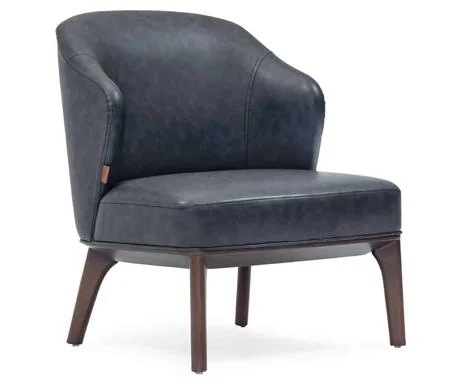
Piedra
Barrel / Tub
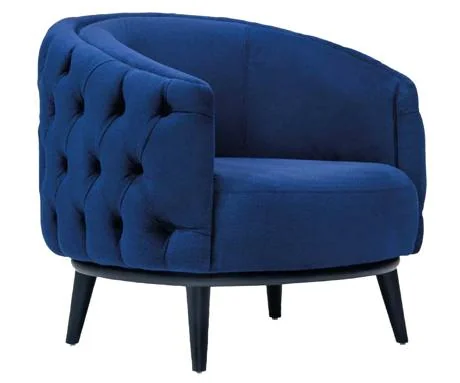
Pierre
Barrel / Tub
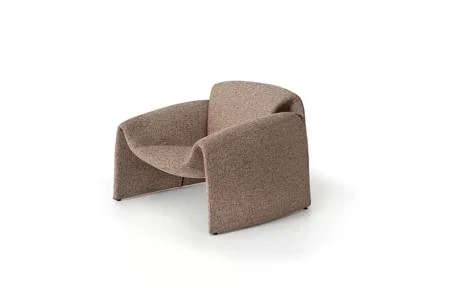
Vega Lounge
Barrel / Tub
These are a selection of our hotel armchair models — every one is built to order on a contract-grade frame and available in your specified fabric, faux leather or leather. More models, finishes and custom silhouettes are available on request. Request the full armchair catalogue →
Get a Quote
Tell us your room count, the armchair style you have in mind, and your fabric requirement — we’ll respond within 24 hours with specification and lead time.
We’ll match the frame, foam and fabric to your specification and room casegoods, and respond within 24 hours.
Specification Comparison
Choose the right hotel armchair family for your room type, star rating and the job the chair has to do.
Specification Details
Dimensions
Standard hotel armchair dimensions: seat height 45–50 cm from the floor, seat depth 50–55 cm for a lounge profile (shallower for a firmer accent chair), seat width between the arms at least 48 cm, and overall width under 75 cm for a standard guest room. Seat height is the dimension guests feel most — too low and an older guest struggles to rise, too high and the chair feels perched. Note that seat height is measured loaded or unloaded depending on foam density, so confirm the reference point on the drawing. In suites the lounge profile can grow, but in a standard room proportion beats plushness — a chair that is too deep eats floor space and disrupts the route from door to bed.
Frame & foam
The frame is the part that decides whether a hotel armchair survives a decade.
— Frame: kiln-dried hardwood — beech or European ash — with doweled and corner-blocked joints, glued and screwed, not merely stapled. Tubular or solid metal frames are available for contemporary and swivel designs.
— Foam: high-resilience (HR) or combustion-modified high-resilience (CMHR) foam at 35–45 kg/m³ for the seat; softer HR28–HR32 for backs. Density is the durability number; firmness (ILD) is tuned separately to the property’s clientele.
— Suspension: serpentine springs or elasticated webbing under the seat cushion, sized to the frame — the part that fails first on a cheap chair.
— Documentation: ask for the ISO 845 foam density certificate and the fabric Martindale report before sampling, not after.
Upholstery & fire
Guest-room armchair upholstery should be rated to at least 30,000 Martindale rubs; a chair destined for a lobby or all-day lounge should be 80,000 or more. Residential fabric typically tests around 15,000 — under half the guest-room minimum — which is why a home-store armchair looks worn within a season of hotel use. Fire compliance is mandatory and market-specific: EN 1021-1 and 1021-2 (cigarette and match) for Europe and the UK’s BS 7176 schedules, or TB 117-2013 for the United States. Critically, the foam and fabric must pass fire testing as a composite, not as separate materials. Performance velvets, bouclé, woven contract cloth, faux leather and genuine leather are all available; for light colours specify a stain-resist finish.
Star rating guide
3-star: one compact lounge or barrel armchair per room, contract fabric, HR foam, 30,000 Martindale — durable and clean-lined. 4-star: a defined accent or lounge chair in a coordinated finish, often with a matching ottoman, FR fabric and a higher rub count. 5-star: a designed seating group — lounge armchair plus accent or wingback — with hand-finished joinery, multi-density foam and bespoke fabric. Boutique / luxury: a bespoke armchair to the designer’s drawing, custom dimensions and silhouette, integrated into the room’s overall concept.
Why it matters
The hotel armchair is the seat a guest uses most and judges hardest. A poorly specified one fails in three predictable ways — the foam flattens, the frame loosens and creaks, or the fabric wears shiny at the arms — and all three happen well inside the refurbishment cycle, forcing early replacement. The cost difference between a residential-grade chair and a properly specified contract hotel armchair is small relative to the total room FF&E; the difference in service life and guest experience is large. Specify the internals — frame joinery, foam density, rub count and fire rating — not just the fabric you can see in the photograph.
Complete the Seating Group
The armchair is one part of the guest room seating group. Every piece below is manufactured in the same Istanbul workshop and available in matching frames and fabrics.
hotel room chair · desk chair
The in-room desk and writing chair, upholstered or wood.
View specifications →hotel ottoman · footstool
Footrest, extra seat or bed-end bench — pairs with the armchair.
View specifications →hotel sofa · loveseat
Two- and three-seat lounge sofas for deluxe rooms and suites.
View specifications →hotel sofa bed · sleeper sofa
Sleeper sofas that take an extra overnight guest.
View specifications →FAQ