Definition
A comfortable hotel room is one a tired guest can relax in within minutes — a supportive bed, soft layers they can feel, warm and quiet surroundings, and enough room to settle — built so the comfort survives nightly turnover, not just the photograph.
A comfortable hotel room is the one thing every guest remembers and no review forgets. Guests forgive a small room or a dated lobby, but a bed that keeps them awake or a space that feels cold and impersonal ends up in the rating. Comfort is not a luxury line either — it comes from a handful of deliberate choices in bedding, soft furnishings and the pieces guests actually touch, so your hotel guest room furniture carries much of the feeling a room leaves behind.
This guide covers how to build a comfortable hotel room that guests rebook: the sleep layer that decides the night, the soft textures and warm atmosphere that make a room cozy, and the personal touches that make it feel like home. Every suggestion assumes a working hotel, not a one-off — comfort you can repeat across every room and keep alive through years of turnover. The thread that runs through all of it is simple — a comfortable hotel room is built for the guest’s body and senses first, and styled second.
What Makes a Comfortable Hotel Room
A comfortable hotel room works on the senses before the eye. A guest walks in tired, and within a minute the bed, the light and the air tell them whether they can relax. Get those right and the room feels restful whatever its size or star rating; get them wrong and no amount of styling rescues the stay. Three layers carry most of the comfort, and none of them needs a grand budget — they need choosing for how the room feels, not how it photographs.
The Bed Is the Whole Game
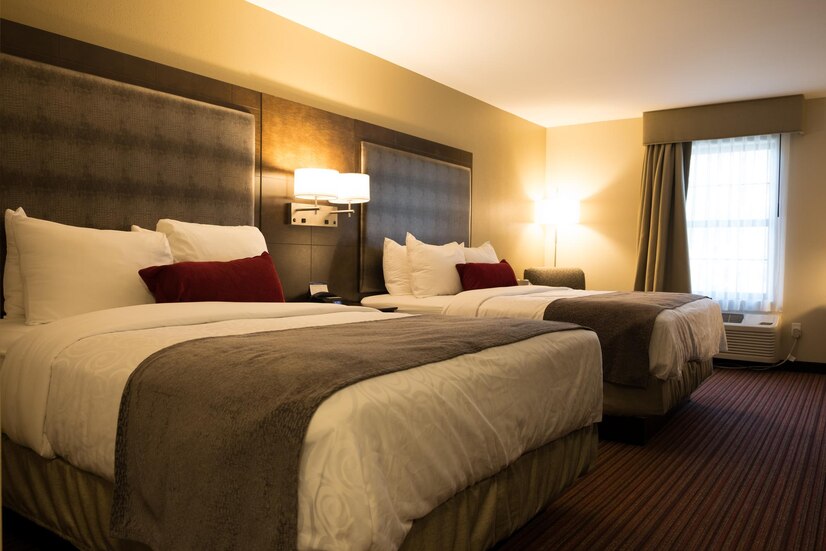
Nothing else in a comfortable hotel room matters if the bed fails. Guests come to sleep, and a supportive mattress, clean layered bedding and a choice of pillows decide whether they wake rested or sore. Build the bed in layers — a quality mattress, a protector, crisp sheets, a blanket and a duvet a guest can add or throw off — so one bed suits a hot sleeper and a cold one. Offer a firm and a soft pillow on every bed, and the same room satisfies two very different guests. The bed earns more goodwill than any other single choice a hotelier makes. Spend on bed linen that feels good against the skin, too; a guest registers the sheets within seconds, and crisp, quality bedding signals care long before they notice anything on the walls. The full anatomy of why a hotel bed outsleeps the one at home — the mattress build, the bed base and the layered bedding — sits in our guide on why hotel beds are so comfortable.
Soft Layers Guests Can Feel
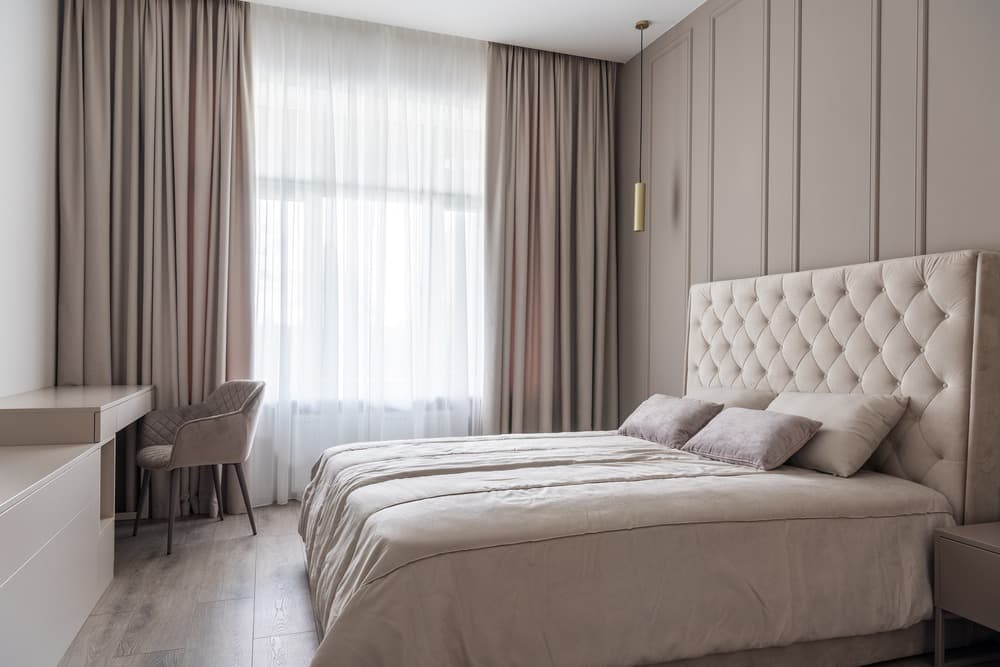
Comfort is tactile, so a comfortable hotel room needs things that feel good under the hand. A throw folded across the foot of the bed, a couple of cushions, a soft rug where a guest steps out of bed, and upholstered seating turn a hard, hotel-issue box into somewhere warm. These soft layers cost little and read as care. Keep them in a tight palette and a washable, hard-wearing spec, and housekeeping refreshes them between stays without the look unravelling. The difference between a room that feels clinical and one that feels cozy is usually three or four soft textures. Add a soft, weighty curtain and an upholstered headboard, and the room gains the hushed, settled feel guests associate with a good hotel rather than a bare one.
An Atmosphere That Settles People
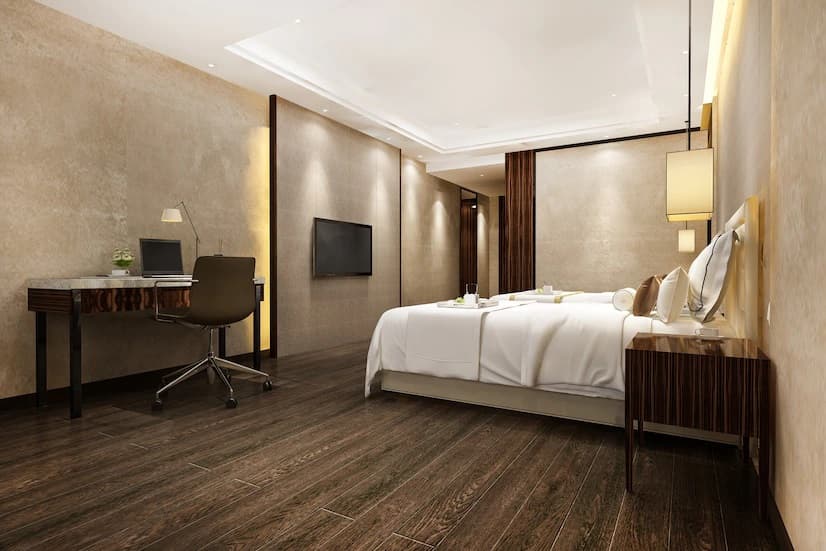
Light and air finish what the bed and textiles start. Warm, layered light — a soft overhead, a bedside lamp the guest controls, a reading light — signals rest the moment a guest flicks the switch, where a single cold ceiling bulb signals an office. Clean, fresh air and a quiet room do the rest; nothing undoes comfort faster than a stuffy room or a humming vent. None of this reads as decoration. It is the atmosphere that tells a tired guest they can finally exhale, and it sits at the quiet core of a comfortable hotel room. Layer a dimmer onto the bedside lamp and the same room flexes from bright enough to pack a case to soft enough to fall asleep, all under the guest’s own hand.
Temperature, Sound and the Comforts You Cannot See
Some of the most decisive comfort in a hotel room is invisible. A guest who cannot cool the room in summer or warm it in winter sleeps badly however good the bed, so simple, guest-controlled climate matters more than any soft furnishing. Blackout curtains that genuinely block the light let a tired traveller sleep past dawn, and a quiet room — isolated from the corridor, the lift and the next room — protects the rest everything else is built around. These comforts never show in a photograph, yet a guest notices the moment they go missing. Get them right and the cozy, comfortable room you furnished can do its job.
Guests forgive a small room. They do not forgive a bad night’s sleep.
Guests rate the bed, then everything else
Ask a guest why a room felt comfortable and they describe the bed first, every time. Sleep quality drives the single largest share of room-comfort scores in guest surveys, ahead of size, décor or view. Spend your comfort attention on the mattress, the pillows and the bedding layers before anything else — a beautiful room with a poor bed still earns a poor night and a worse review.
Furniture That Brings Home Comfort
Furniture decides whether a room feels like home or feels like a place you pass through. The pieces that carry comfort are the ones a guest sinks into, leans on and settles around — and the trick is furniture that feels as soft and inviting as home while standing up to a hotel’s constant use. The table below sorts the comfort a guest feels against the piece that delivers it. Read it as a comfort checklist rather than a shopping list — each piece earns its place in a comfortable hotel room by what the guest feels, not by what it adds to the count.
Quick answer
What makes a hotel room feel comfortable? A hotel room feels comfortable when the bed supports a good night’s sleep, soft textures warm the space, the light is warm and dimmable, and a guest has a seat that is not the bed and room to unpack. Together these turn a standard room into one that feels restful and personal rather than purely functional.
| What the guest feels | The piece behind it | What makes it work |
|---|---|---|
| A good night’s sleep | Bed, mattress and layered bedding | Supportive mattress, pillow choice, breathable layers |
| Somewhere to relax | Upholstered armchair and side table | Soft, supportive seat that survives daily use |
| A calm, uncluttered room | Wardrobe, dresser and luggage bench | Enough storage that nothing lives on the floor |
| Warm, restful light | Bedside lamp and reading light | Warm tone, guest-controlled, dimmable |
| A home-like touch | Throws, cushions, a rug, local art | Tactile, washable, in a tight palette |
| A place for coffee or work | Compact desk or small table | Stable top, accessible power, room to use it |
A Seat That Is Not the Bed
A guest who can only sit on the bed never fully relaxes. A single plush armchair with a side table and a reading light gives them somewhere to read, work or simply not lie down, and it does more for the feeling of a comfortable hotel room than its small footprint suggests. Choose a seat that looks soft and inviting yet carries a contract-grade frame and a wipeable, hard-wearing fabric, so it survives thousands of guests without losing its welcome. In a larger room, a small sofa or a chaise extends the same idea. Place the seat by the window or a lamp, give it a footstool where the room allows, and a guest treats it as their own spot for the length of the stay.
Room to Unpack and Settle
Comfort and clutter cannot share a room. Guests relax when they can put their things away — clothes in a wardrobe with real hangers, a suitcase on a luggage bench instead of the floor, small items in a nightstand drawer, the bathroom counter left clear. A room that lets a guest unpack feels calmer within minutes, and a guest who has unpacked behaves like someone staying rather than passing through. Storage rarely gets noticed when it is right and always gets noticed when it is missing. A few extra hangers, a luggage bench that holds a full case and a drawer that opens smoothly cost almost nothing and quietly tell a guest the room expects them to stay a while.
Furniture That Feels Residential, Built for Contract
The hardest balance in a comfortable hotel room is softness that lasts. Residential furniture feels inviting but falls apart under hotel use; pure contract furniture lasts but can feel hard and institutional. The answer is furniture built to bridge the two — the warmth and soft lines of home on a reinforced, hospitality-grade frame. That balance is the heart of good furniture choices, and our guide on how to choose hotel guest room furniture covers the build and selection in detail; here the point stays simple — comfort the guest feels, durability the hotel needs. A maker who builds for hospitality knows that balance instinctively, specifying the soft seat and the warm finish on a frame engineered for years of daily use.
How to Make a Comfortable Hotel Room Feel Like Home
Comfort gets a guest to relax; a sense of home gets them to come back. The gap between a comfortable hotel room and one that feels personal is small and almost free to close — it lives in human touches, the senses and the little conveniences a guest did not expect. This is where a hotel stops feeling like a corridor of identical doors and starts feeling like somewhere a guest chose. None of it asks for a bigger budget; it asks for attention to how the room makes a person feel.
The Personal, Human Touches
People feel at home where a space feels considered for them. A handwritten welcome note, a piece of local art instead of a generic print, a book or two, a plant, a small nod to the city outside the window — each one tells a guest that a person, not a procurement list, made this room. None of it costs much, and all of it lands. Keep the touches genuine and light; a room over-styled with props feels staged, while a few real, human details feel like home. The touches that land hardest reflect the place a guest is visiting, not a generic idea of luxury — a local map, a regional treat or a line about the neighbourhood gives the room a character no chain finish can buy.
The Senses — Warmth, Scent and Quiet
A room that feels like home reaches more than the eyes. A light, clean scent in the air — subtle, never heavy — greets a guest before anything else and reads as freshness and care. Warm light and soft textures carry the feeling further, and a genuinely quiet room, free of corridor noise and a rattling vent, lets a guest rest the way they would at home. Comfort is multi-sensory; a room that gets the smell, the warmth and the quiet right feels welcoming before a guest can say why. Hold the scent consistent across every room, and a returning guest recognises the property the moment the door opens, the way a familiar home smells the same each time.
The Small Comforts Guests Remember
The details a guest did not expect are the ones they mention. A breakfast tray for coffee in bed, real hangers rather than theft-proof stubs, enough well-placed power and reliable Wi-Fi, a spare blanket within reach, a kettle and a proper cup — small conveniences that ask little of the budget and earn outsized goodwill. A guest rarely remembers the thread count, but they remember the morning they had coffee in bed because the room made it easy. Those small comforts turn a pleasant stay into one a guest talks about.
A Cosy Corner for Coffee and Work
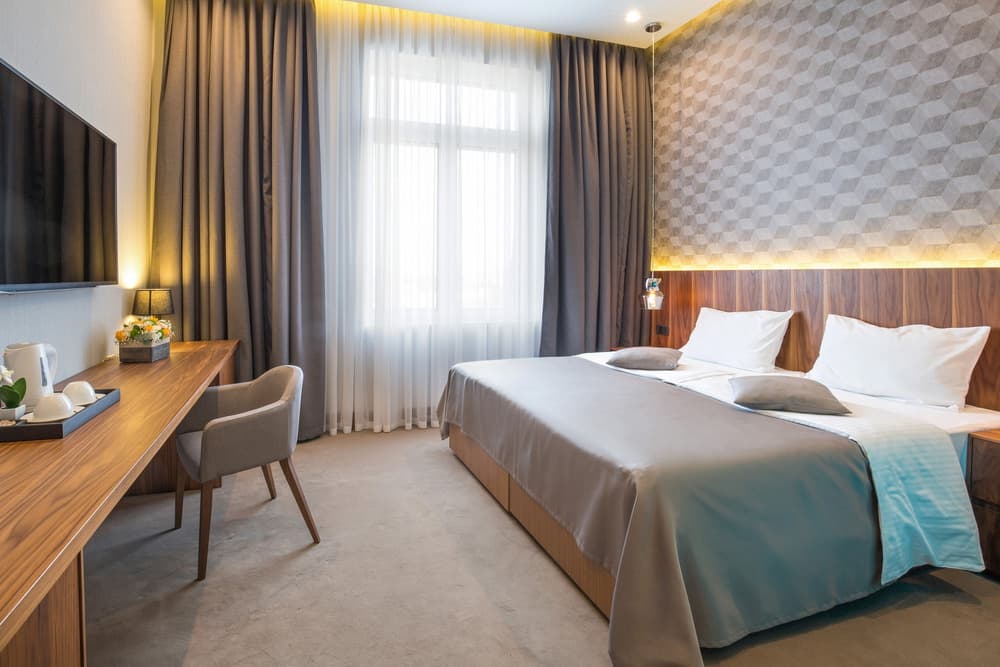
A guest who can make a coffee and sit somewhere pleasant to drink it feels at home faster than one who cannot. A small table or a compact desk with a comfortable chair, a kettle and a proper cup, and a breakfast tray for coffee in bed give the room a rhythm a guest recognises from home. The same corner serves the guest who needs to work for an hour, provided the light is good and the power sits within reach. It asks little of the floor or the budget, and it turns a room a guest merely sleeps in into one they comfortably live in for a few days.
Belonging beats luxury for repeat stays
Guests return to the room that felt like theirs, not the most expensive one they ever booked. Surveys of repeat guests put a sense of welcome and familiarity above thread counts and square footage when they choose where to stay again. A few honest, human touches buy more loyalty than an upgrade to the finishes, because they answer the one question a tired traveller is really asking — can I feel at home here.
Why a Comfortable Room Brings Guests Back
A comfortable hotel room is the cheapest marketing a property owns. Get the bed right, layer in soft textures and warm light, give guests a seat and room to unpack, and finish with a few human touches, and the room earns the reviews and the repeat bookings that fill the next month. A tight budget changes none of this; our guide to budget hotel room design shows how comfort holds up even when the spend is lean.
Start with the room and the guest you serve, then bring in a manufacturer who builds the comfortable, home-like pieces to a contract standard — on FOB or CIF terms, with a four-to-eight-week lead time and a two-year warranty — so the comfort a guest feels survives the years a hotel needs it to. Build the room once around comfort, and it keeps earning its keep long after the doors open. That is the quiet economics of a comfortable hotel room — the one that rests a guest well is the one that fills itself.
Frequently Asked Questions
What makes a hotel room comfortable?
A hotel room feels comfortable when the bed supports good sleep, soft textures and warm light make the space cozy, the air is fresh and the room is quiet, and a guest has a seat that is not the bed plus room to unpack. Comfort comes from how the room feels, not how much it cost.
How do you make a hotel room feel like home?
Add human, personal touches to a comfortable base: a welcome note, local art, warm lamps, soft throws and cushions, a light clean scent and small conveniences like a breakfast tray or real hangers. These details tell a guest the room was considered for them, which is what feeling at home really means.
How do you make a hotel room cozy?
Layer soft textures over a good bed: a throw and cushions, a rug underfoot, an upholstered armchair, and warm, dimmable light instead of a single cold ceiling bulb. A tight, warm palette and a fresh, quiet atmosphere turn a plain room cozy without a major spend.
What furniture makes a hotel room more comfortable?
A supportive bed, an upholstered armchair, a wardrobe and luggage bench for unpacking, and bedside pieces within reach do the most for comfort. Choose furniture that feels soft and residential yet carries a contract-grade frame, so it stays comfortable through heavy hotel use.
Why does a comfortable hotel room matter?
Comfort drives the largest share of guest-satisfaction scores and decides whether a guest returns. A room that helps a guest sleep and feel at home earns better reviews, higher ratings and repeat bookings, making comfort one of the highest-return investments a hotelier can make.