Definition
Hotel lounge furniture is the contract-grade seating and low tables that furnish a hotel’s relaxed social spaces — lounge sofas, lounge and accent chairs, chaises, ottomans and coffee tables — built for long, comfortable sits, constant public use and fire-safety compliance across the lobby, bar, club and spa lounges.
A hotel lounge is where guests slow down — the sofa they sink into with a coffee, the quiet corner before a meeting, the spot by the bar that holds a conversation into the evening. Lounge furniture has to make that ease possible while taking the constant public use a hotel hands it, which is why elegant choices for hotel lounge furniture are contract choices first. It sits within the wider hotel lobby furniture brief but answers a softer, slower set of needs — comfort, atmosphere and the feeling of a place worth lingering in. This guide covers lounge furniture from the maker’s side: the pieces, the spaces across a hotel that need it, and the materials and sourcing that decide which lounge seating lasts.
Lounge furniture earns its keep through comfort, but comfort alone does not survive a hotel. A lounge sofa takes a different guest every few minutes, daily cleaning, and years of use on show, so the build behind the comfort — the frame, the foam and the fabric — decides whether a lounge still feels inviting after a refurbishment cycle or tires within a season. Read this alongside our guide on how to choose hotel lobby furniture, which sets the public areas in context; this page goes deep on the lounge itself.
Why Hotel Lounge Furniture Is Its Own Brief
Lounge furniture sits between the formal arrival of a lobby and the privacy of a guest room, and it answers to neither. A lounge exists for staying, not passing through, so its furniture leans deeper, softer and more social than a reception arrangement — while still meeting every contract demand a public hotel space makes. Treat the lounge as its own brief, and the furniture creates the relaxed, premium feeling a property cannot fake.
What Counts as a Hotel Lounge
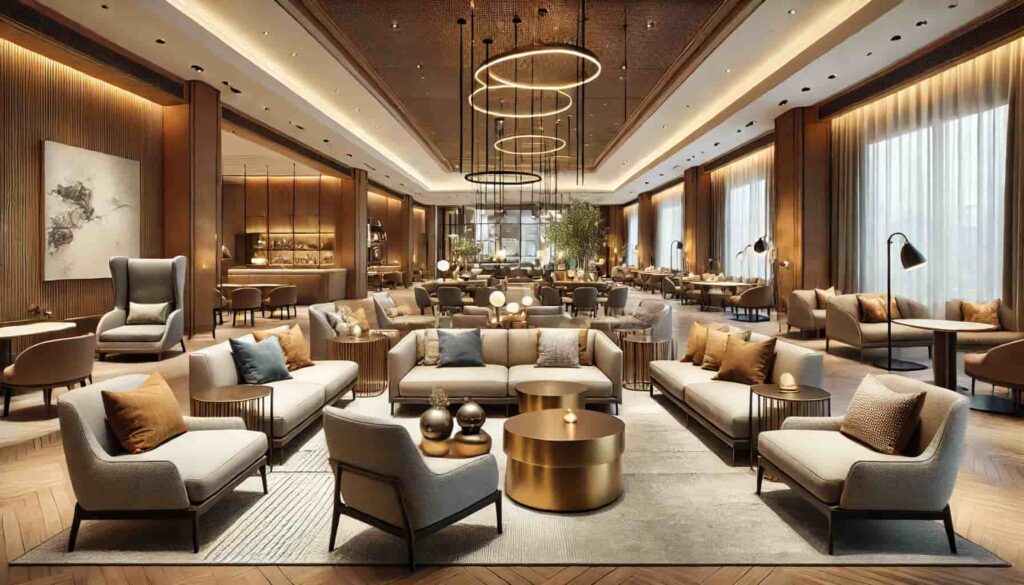
A hotel lounge is any space where guests settle and stay: the soft seating zone off a lobby, the cocktail lounge by the bar, the executive lounge on a club floor, the calm of a spa relaxation area. Each reads differently, but all share the same purpose — a comfortable place to wait, work, drink or talk, away from the bustle of the arrival hall. That purpose shapes the furniture, which favours deep lounge sofas, enveloping chairs and low tables over the upright seating of a working reception. Defining which lounges a property has is the first step to furnishing them well.
Contract-Grade for Relaxed, Constant Use
A lounge looks relaxed, but its furniture works as hard as anything in the hotel. Deep cushions invite guests to settle for an hour, which means the foam and frame take longer, heavier loads than a quick perch ever would. Contract lounge furniture answers this with reinforced frames, high-density foam that holds its shape under long sits, and abrasion-rated, fire-retardant upholstery that cleans easily and meets public-space regulations. A domestic lounge suite collapses under this use within months; a contract piece holds its comfort and look for years. The same contract logic runs through the rest of the public seating, which we cover on our hotel lobby seating page.
A lounge exists for staying, not passing through — and the furniture has to make settling in feel effortless.
The Pieces of a Hotel Lounge
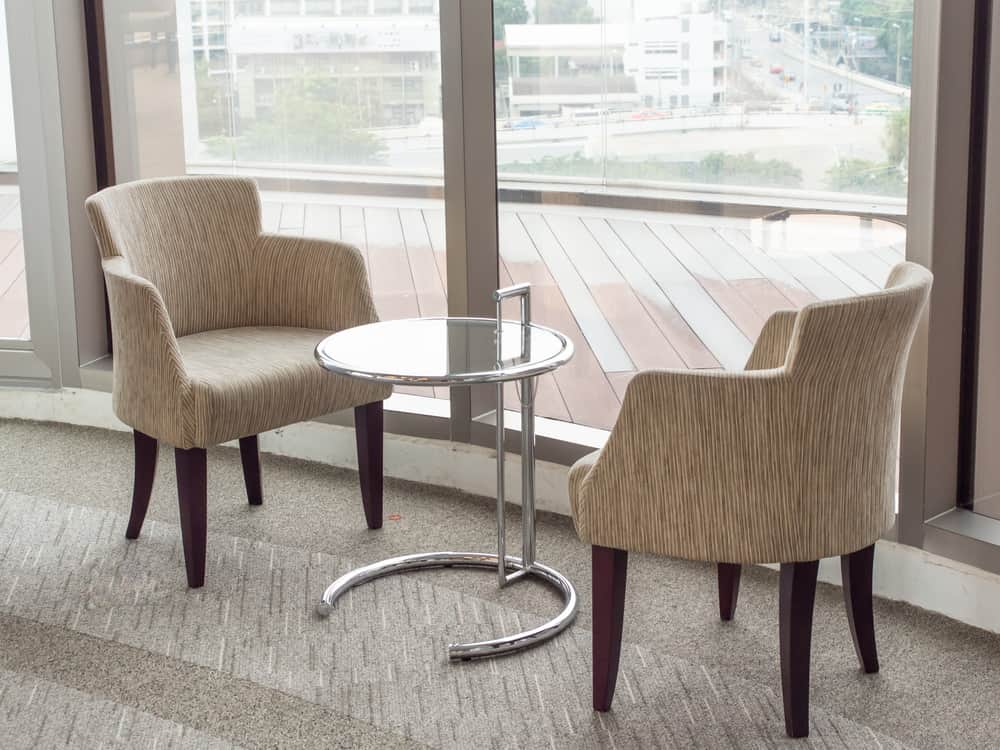
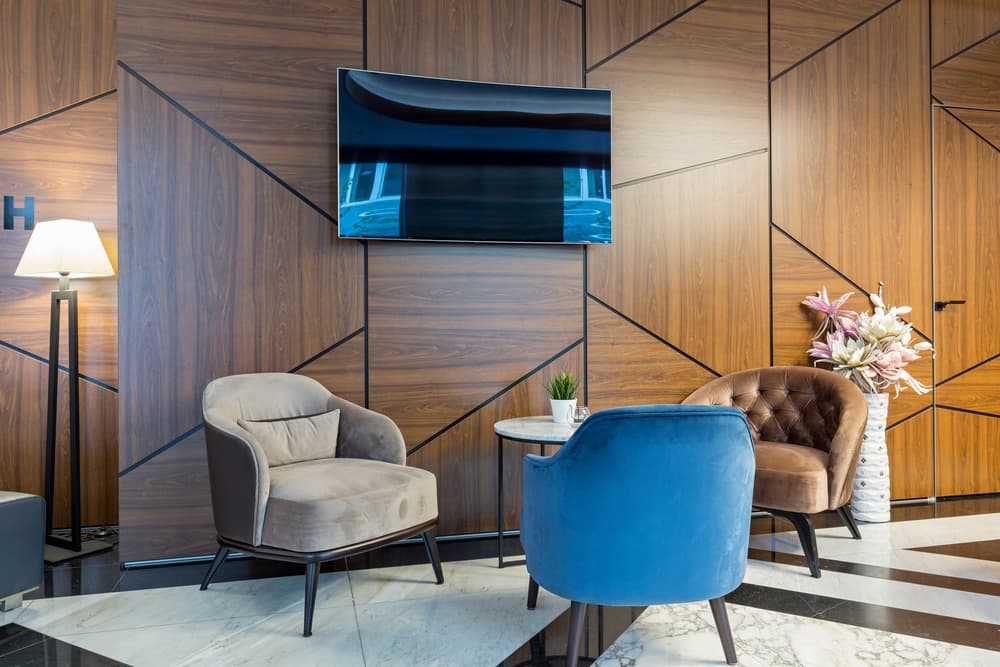
Hotel lounge furniture draws from a family of relaxed, social pieces, scaled and styled to the property. Knowing what each one does keeps a specification tidy and helps a lounge read as one comfortable space rather than a scatter of seats. The pieces below are the working vocabulary of a hotel lounge, from deep sofas to the low tables that tie a zone together.
Quick answer
What furniture goes in a hotel lounge? A hotel lounge typically uses lounge sofas and sectionals, lounge and accent chairs, chaise longues or daybeds, ottomans and poufs, and low coffee or cocktail tables, often grouped into relaxed seating zones. Larger lounges add banquettes and communal tables. Every piece should be contract-grade, comfortable for long sits and fire-rated for public use.
Lounge Sofas and Sectionals
The sofa is the centre of a hotel lounge. A deep, well-cushioned lounge sofa invites guests to settle, anchors a seating zone, and sets the comfort level of the whole space. Sectionals and modular sofas extend the idea, letting a property shape the seating to an awkward corner or reconfigure it for an event. Because lounge sofas hold guests longer than any other public seat, they need the deepest contract build — a heavy frame, high-density foam and a hard-wearing, cleanable cover — or they sag and tire fast under the load.
Lounge Chairs and Armchairs
Lounge chairs and armchairs do the social work around the sofa, giving guests their own comfortable seat and filling the corners of a zone with character. A deep club chair reads as quiet luxury; a lighter accent chair adds colour and movement. In a lounge these chairs hold a single guest for a long, relaxed sit, so comfort and a supportive back matter as much as the look. The seating types and the contract build behind them sit in our hotel lobby chairs guide, which covers club, tub, accent and high-back chairs in detail.
Chaise Longues, Daybeds and Ottomans
The most relaxed lounge pieces stretch the idea of seating. A chaise longue or daybed lets a guest recline rather than sit, which suits spa lounges, resort lobbies and premium relaxation areas; an ottoman or pouf gives flexible, low seating that moves where guests need it and tucks away when they do not. These pieces give a lounge its sense of ease and luxury, and they signal a property that wants guests to stay. As with every lounge piece, the build has to match the comfort — a chaise that looks inviting but flattens in a season does the property no favours.
Low Tables — Coffee and Cocktail
Low tables turn lounge seating into a usable zone. A coffee table holds the centre of a sofa group; a cocktail table at the right height serves a bar lounge; nesting and side tables flex around the seating for drinks, laptops and bags. In a lounge these tables meet glasses, hot cups and constant handling, so the top has to resist heat, water and scratches — a sealed stone, a quality laminate or a protected veneer earns its place where a soft, untreated top would not. Contemporary coffee tables in a lounge often double as the piece that sets the style, so the material and form deserve as much thought as the seating.
Lounges Across the Hotel
Lounge furniture rarely furnishes a single room. A hotel runs several lounge spaces, each with its own mood and its own demands on the furniture. Specifying them as a family — related in style, tuned to each setting — keeps a property coherent while letting each lounge do its job.
Lobby and Reception Lounges
The lobby lounge is the softest part of the arrival, the seating zone that turns a reception hall into a place to wait in comfort. Its furniture leans more relaxed than the working desk nearby but stays smart enough to carry the first impression — deep sofas and lounge chairs in durable, fire-rated covers, grouped to keep the floor flowing. This is where lounge furniture overlaps most with the wider lobby, and arranging it well is a core part of good hotel lobby design.
Bar and Cocktail Lounges
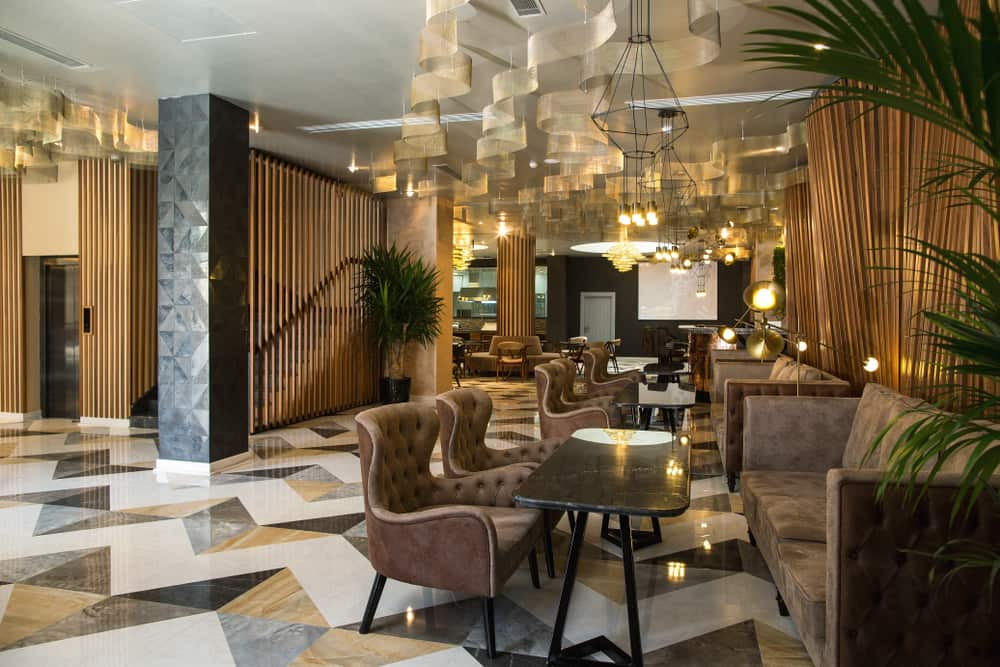
A bar or cocktail lounge asks more of its furniture. Guests eat and drink here, often into the evening, so the seating needs covers that wipe clean — faux leather and treated fabrics earn their place — and a height that works with low cocktail tables. Banquettes and fixed seating make the most of a bar lounge’s walls, while loose lounge chairs and sofas fill the floor. The mood runs warmer and richer than a reception lounge, and the furniture carries that shift in its materials and tones.
Executive, Club and Business Lounges
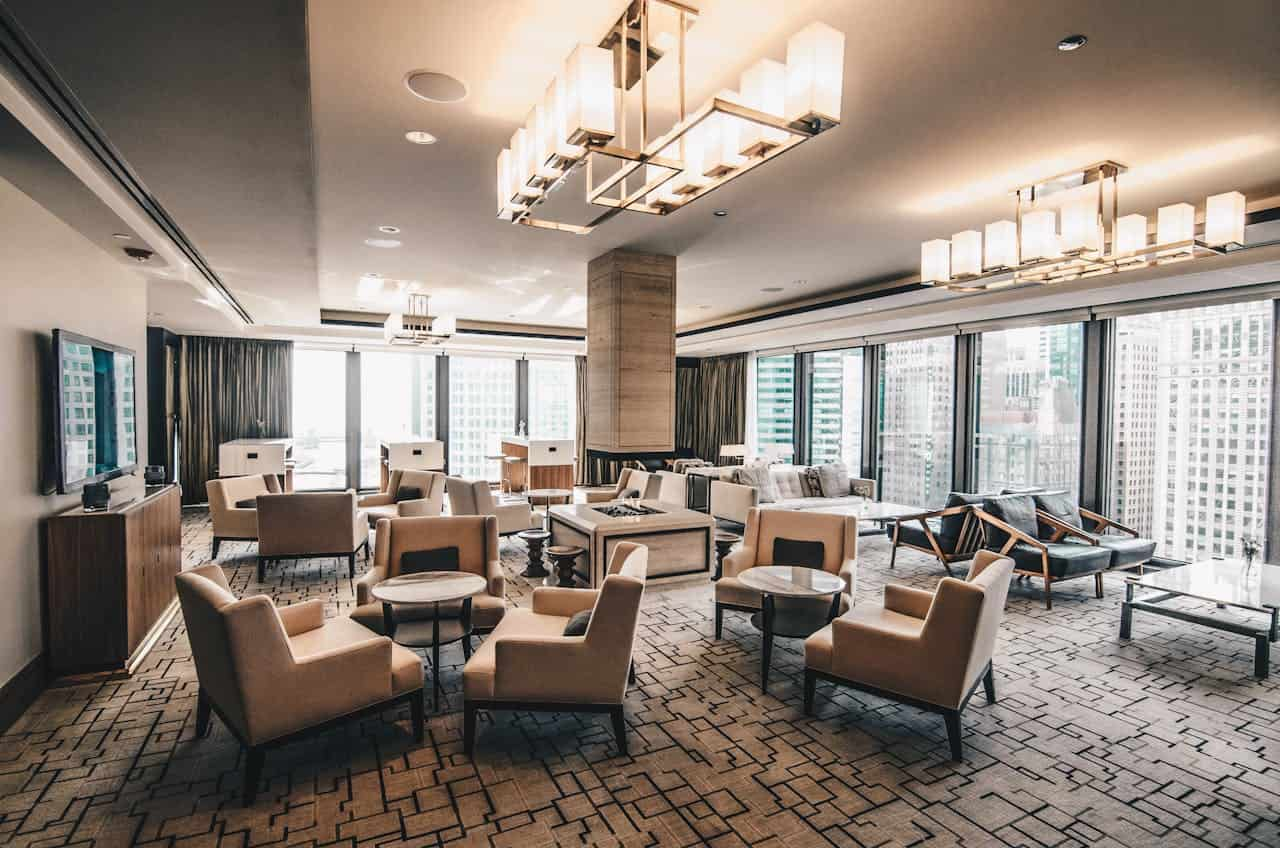
Executive and club lounges serve guests who expect a calm, premium space to work and relax. The furniture mixes comfortable lounge seating with surfaces that support a laptop or a coffee — lounge chairs and small sofas alongside low working tables and the odd communal table. Comfort, quiet and a considered look matter most here, because these lounges sell the upgrade and the loyalty tier. A coherent, well-made set of lounge furniture signals the value a club floor promises.
Spa, Pool and Outdoor Lounges
Relaxation lounges in a spa, by a pool or on a terrace need lounge furniture built for their conditions. A spa relaxation room leans on chaises, daybeds and soft, cleanable seating; a poolside or terrace lounge needs weather-resistant pieces that take sun, moisture and chlorine without fading or corroding. Indoor lounge furniture will not survive outside, so poolside and terrace lounges draw on a dedicated commercial outdoor furniture range rather than the indoor pieces. Matching the furniture to the climate keeps these lounges looking their best where the conditions are hardest.
Materials, Comfort and Durability
Material decides whether hotel lounge furniture lasts a refurbishment cycle or fails early. A lounge piece holds guests longer than almost any public seat, meeting drinks, hands and daily cleaning, so every layer has to earn its place. The choices below decide how long a lounge keeps its comfort and its look.
Upholstery and Material by Lounge Zone
The right upholstery depends on the lounge. The table below matches the material to the setting, so each lounge gets a cover that suits how guests actually use it.
| Lounge setting | Best upholstery & materials | Why it suits the space |
|---|---|---|
| Lobby / reception lounge | Treated performance fabric or faux leather; veneer and stone tops | Smart look, easy cleaning, takes high through-traffic |
| Bar / cocktail lounge | Faux leather and wipe-clean fabric; sealed stone tops | Resists spills and food-and-drink wear into the evening |
| Executive / club lounge | Richer contract fabric and leather; quality veneer tables | Reads as premium while staying durable and cleanable |
| Spa relaxation lounge | Soft, moisture-tolerant, easy-clean covers; chaises and daybeds | Comfort and hygiene for a calm, damp-prone setting |
| Pool / terrace lounge | Weatherproof outdoor fabric and frames (separate range) | Withstands sun, moisture and chlorine without fading |
Across every setting, the upholstery has to carry a strong abrasion rating and a fire certificate, because guests use lounge seating hard and the regulations apply wherever the public sits.
Frames, Foam and Lifespan
The lifespan of lounge furniture lives in the parts a guest never sees. Behind the cover, a reinforced hardwood or welded-metal frame keeps a sofa square under long, heavy sits, and high-density, combustion-modified foam holds its shape where a cheap foam flattens within a year. Ask what sits inside a piece, not only what wraps it — the frame and the foam separate a lounge sofa that still looks plump in year five from one that sags by year two. Good contract lounge upholstery lasts the refurbishment cycle; a domestic equivalent rarely sees a second year in a hotel.
Cleanability and Fire Safety
Housekeeping cleans a lounge constantly, so covers that wipe or spot-clean easily save money every day, and a frame a vacuum can reach stays tidy at the floor. Just as important, the upholstery has to meet the local fire-safety standard — fire-retardant fabric or leather and foam, certified by the maker.
Fire rating is a pass-or-fail gate, even in a relaxed lounge
A lounge feels informal, but the fire regulations treat it like any public space. Upholstered lounge furniture that fails fire-safety compliance cannot go in, however comfortable or handsome it looks. Contract upholstery uses fire-retardant fabric or leather and foam to meet the local standard, and a serious maker certifies it and keeps the paperwork on file. Treat the fire rating as the first gate every lounge piece has to clear, not a detail to confirm later.
Style and Atmosphere
More than any other furniture, lounge pieces create atmosphere — the feeling of a space worth staying in. Comfort and materials make a lounge work; style and arrangement make a guest want to sit down. This is where lounge furniture pays back its cost, by turning a room into a place guests choose to linger.
Creating a Lounge Atmosphere
A lounge atmosphere comes from how the furniture sits together, not from any single piece. Grouping deep sofas and chairs into intimate zones, softening the space with textures and tones, and pairing the seating with the right low tables, lighting and rugs turns an open floor into a series of inviting pockets. The furniture leads that feeling: warm, deep and well-made seating reads as a place to relax, while hard, sparse seating reads as a place to wait. Specify the lounge for the mood the property wants, and guests settle in rather than pass through.
Modern and Luxury Lounge Directions
Most lounge briefs lean modern, luxury or somewhere between. A modern lounge runs clean-lined, low seating in a restrained palette; a luxury lounge layers deeper upholstery, richer materials and statement pieces such as a chaise or a sculptural chair. Trends move — warmer tones, curved forms and natural textures all read as current — but the durable contract build underneath stays constant. A contract maker builds the lounge to the chosen direction rather than offering a fixed range, which lets a lounge feel specific to the property instead of picked from a catalogue.
A good lounge keeps guests — and their spending — on site
A comfortable, well-styled lounge does more than look good: it keeps guests in the building. A guest who settles into a lounge sofa orders another coffee, takes a meeting on site, or stays for a drink rather than leaving — and a lounge that invites that lingering earns its furniture budget back in food, beverage and loyalty. For a space whose whole job is to make guests want to stay, the lounge seating is the last place to cut comfort.
Sourcing Hotel Lounge Furniture
With the pieces, the spaces and the materials settled, sourcing turns the brief into a finished lounge. Hotel lounge furniture is a coordinated project, so the questions that matter are whether a maker can build it to your design and who builds it.
Custom and Bespoke Lounge Furniture
Lounge furniture suits custom work, because a lounge rewards pieces shaped to its space and its brand. A property can size a sofa to a wall, match a fabric to a scheme, choose a chaise to anchor a spa, or build a banquette to a tricky corner — details that turn a standard range into a lounge specific to the property. For a group, the same bespoke lounge repeats across every site, so the brand reads identically from one hotel to the next. Share a drawing or a reference, and a serious manufacturer returns a sample before the full run.
Sourcing from a Contract Manufacturer
The supplier decides whether the lounge holds together. A manufacturer that builds for hospitality understands contract construction, fire compliance and the long, heavy use a lounge takes, and supplies the certification, samples and after-sales a hotel project needs. As a maker we produce hotel lounge furniture — sofas, lounge chairs, chaises, ottomans and low tables — alongside the rest of the hotel lobby seating, on FOB or CIF terms with a four-to-eight-week lead time and a two-year warranty, custom to your brand and delivered worldwide. Sourcing the whole lounge from one workshop keeps the finishes consistent and the space reading as one.
Choose the pieces each lounge needs, match the materials to the setting, insist on contract-grade frames, foam and fire-rated covers, and source them as one coordinated set — and the lounge quietly carries comfort and elegance for the whole refurbishment cycle. Specify the lounge once, properly, and it keeps inviting guests to stay long after the doors open.
Frequently Asked Questions
What furniture goes in a hotel lounge?
A hotel lounge typically uses lounge sofas and sectionals, lounge and accent chairs, chaise longues or daybeds, ottomans and poufs, and low coffee or cocktail tables, grouped into relaxed seating zones. Larger lounges add banquettes and communal tables. Every piece should be contract-grade, comfortable for long sits and fire-rated, because a lounge holds guests longer than almost any other public seat.
What is the best material for hotel lounge furniture?
The best materials are contract-grade ones matched to the setting: treated performance fabric for relaxed lounges, faux leather and wipe-clean fabric for bar lounges where guests eat and drink, richer fabric and leather for executive lounges, and weatherproof fabric for pool or terrace lounges. Whatever the cover, it should carry a strong abrasion rating and a fire certificate, over high-density foam and a reinforced frame.
How long does hotel lounge furniture last?
Well-specified contract lounge furniture lasts a full refurbishment cycle — roughly seven to ten years of constant use — without sagging, staining or dating, because the frame and high-density foam hold their shape under long, heavy sits. A domestic lounge suite rarely survives a second year in a hotel under the same load, which is why the build behind the comfort matters as much as the look.
Does hotel lounge furniture need to be fire-rated?
Yes. A lounge feels informal, but fire regulations treat it like any public space, so upholstered lounge furniture must use fire-retardant fabric or leather and foam, certified by the maker. A piece that fails compliance cannot go in however comfortable it looks. A contract manufacturer supplies the certificates as standard, and the property keeps them on file in case an inspector asks.
Can hotel lounge furniture be custom-made?
Yes. Contract manufacturers build hotel lounge furniture to a brand standard, so a property can size a sofa to a wall, match a fabric to a scheme, choose a chaise to anchor a spa, or build a banquette to a tricky corner. For a group, the same bespoke lounge repeats across every site so the brand reads identically. Sharing a drawing and approving a sample gives an exact, on-brand lounge.
What furniture goes in a hotel bar or cocktail lounge?
A bar or cocktail lounge uses wipe-clean lounge seating — faux leather and treated fabrics — at a height that works with low cocktail tables, often with banquettes along the walls and loose lounge chairs and sofas on the floor. Because guests eat and drink here into the evening, the covers and table tops have to resist spills and food-and-drink wear, and the mood runs warmer and richer than a reception lounge.