Restaurant success depends on more than delicious food. Guests expect a complete dining experience that combines taste, comfort, and atmosphere. Restaurant furniture design plays a major role in shaping that experience. When customers enter a restaurant, the furniture becomes the first visual and physical interaction they have with the space.
Modern diners pay attention to details. They notice seating comfort, table layout, lighting, materials, and overall interior design. A restaurant may serve excellent food, but guests may still feel disappointed if the atmosphere does not match their expectations.
Restaurant furniture communicates the personality of a restaurant. It tells guests whether the venue offers fine dining, casual dining, fast service, or luxury hospitality. The right furniture creates harmony between menu concept, interior design, and guest expectations.
Restaurants that invest in thoughtful furniture planning often create memorable environments that attract repeat customers. When restaurant owners combine quality furniture, smart layout planning, and a strong design concept, they create a unique atmosphere that enhances the dining experience.
Table of Contents
ToggleWhy Restaurant Furniture Design Matters
Many restaurant owners focus primarily on the menu and kitchen operations. While those elements remain essential, the restaurant environment strongly influences customer perception.
Guests often decide whether they enjoy a restaurant within the first few minutes after arrival. Interior design, furniture style, and seating comfort immediately shape that impression.
Restaurant furniture influences several important factors:
guest comfort
brand identity
dining experience
table turnover efficiency
overall atmosphere
Comfortable chairs and well-sized tables encourage guests to stay longer and enjoy their meals. Poor furniture choices can create discomfort and reduce customer satisfaction.
Furniture also supports the visual identity of the restaurant. A modern café may use minimalist chairs and wooden tables, while a luxury restaurant may select upholstered seating and premium materials. Each choice contributes to the overall atmosphere.
Restaurants that invest in professional furniture planning often achieve stronger brand recognition and higher guest satisfaction.
Key Factors in Restaurant Furniture Design
Restaurant furniture must balance aesthetics, durability, and functionality. Owners should evaluate several factors before selecting furniture.
Comfort and Ergonomics
Comfort stands as the most important factor in restaurant furniture design. Guests spend significant time seated during meals, conversations, or business meetings.
Chairs should provide proper back support and comfortable seat height. Tables should match chair dimensions so guests can dine comfortably without awkward posture.
Restaurants that prioritize ergonomics create a relaxing dining experience that encourages repeat visits.
Style and Concept Alignment
Restaurant furniture must reflect the concept of the establishment. The design should support the restaurant’s theme and target audience.
For example:
Fine dining restaurants often choose upholstered seating and elegant materials.
Casual restaurants prefer simple wooden or metal chairs.
Modern cafés may combine industrial furniture with minimalist tables.
Consistency between menu concept and furniture style helps create a cohesive brand image.
Durability and Commercial Quality
Restaurant furniture experiences constant use. Unlike residential furniture, restaurant furniture must withstand heavy daily traffic.
Commercial-grade furniture offers:
stronger frames
reinforced joints
durable upholstery
scratch-resistant surfaces
High-quality materials increase furniture lifespan and reduce maintenance costs. Restaurant owners should invest in durable construction to ensure long-term reliability.
Size and Space Efficiency
Furniture dimensions strongly affect restaurant layout efficiency. Oversized furniture can reduce seating capacity, while undersized furniture may create discomfort.
Restaurant owners should consider:
table spacing
walkway clearance
seating density
staff movement areas
Efficient furniture sizing improves traffic flow and ensures guests enjoy a comfortable environment.
The Role of Custom Restaurant Furniture
Many restaurants choose custom restaurant furniture to create a distinctive identity. Custom solutions allow designers to match furniture dimensions, materials, and finishes with the interior design concept.
Custom furniture provides several advantages:
unique visual identity
perfect size for floor plans
consistent design language
stronger brand recognition
Restaurants that use custom furniture often achieve a more sophisticated and memorable environment.
Custom manufacturing also allows restaurants to optimize seating capacity without compromising comfort.
How Restaurant Furniture Influences Atmosphere
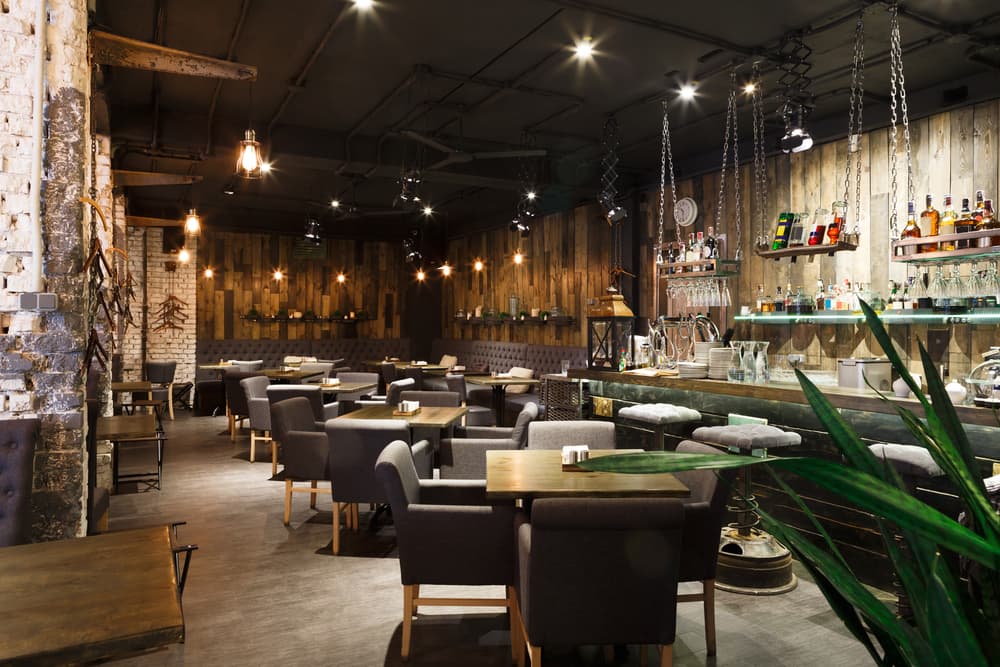
Restaurant atmosphere emerges from the combination of lighting, materials, furniture layout, and decorative elements. Furniture often serves as the central component of this environment.
Well-selected furniture can create different emotional responses.
For example:
warm wood finishes create a welcoming atmosphere
dark tones create a luxurious ambiance
bright colors generate energetic dining spaces
Furniture arrangement also influences the mood of the restaurant. Booth seating offers privacy and comfort, while communal tables encourage social interaction.
Designers carefully combine these elements to shape the desired dining experience.
Restaurant Furniture Layout and Floor Planning
Floor planning plays a crucial role in restaurant design. Furniture layout determines how guests move through the space and how efficiently staff can serve customers.
Effective floor planning should consider:
entrance visibility
seating zones
kitchen access
service pathways
guest comfort
Restaurants often combine several seating types:
standard dining tables
booth seating
bar stools
lounge seating
This mix creates visual variety while maximizing seating capacity.
Professional floor planning can increase restaurant revenue by improving seating efficiency without sacrificing comfort.
Maintaining Restaurant Furniture for Long-Term Use
Restaurant owners should also plan for furniture maintenance. Regular inspections and cleaning help extend furniture lifespan.
Maintenance practices include:
checking chair stability
tightening screws and joints
cleaning upholstery
protecting surfaces from scratches
Preventive maintenance ensures that furniture continues to look attractive and function properly.
Restaurants that maintain their furniture consistently preserve the visual quality of their dining environment.
Creating a Memorable Dining Experience
Restaurant success depends on creating a memorable experience for guests. Food quality, service, and atmosphere must work together to deliver that experience.
Furniture plays a central role in shaping how guests feel during their visit. Comfortable seating, stylish tables, and a thoughtful layout help guests relax and enjoy their meals.
Restaurants that invest in professional furniture design often build stronger brand identities and attract loyal customers.
A well-designed restaurant atmosphere encourages guests to return, recommend the venue to others, and spend more time in the space.
By combining thoughtful design, durable materials, and strategic layout planning, restaurant owners can create a unique atmosphere that elevates the dining experience and supports long-term business success.
FAQ – Restaurant Furniture Design
What type of furniture works best for a restaurant?
The best restaurant furniture depends on the concept of the restaurant and the target audience. Fine dining restaurants usually choose upholstered chairs and elegant tables, while casual restaurants prefer durable wooden or metal furniture. Restaurant owners should focus on comfort, durability, and design consistency when selecting furniture.
Why is restaurant furniture design important?
Restaurant furniture design shapes the dining atmosphere and influences the guest experience. Comfortable seating, proper table spacing, and visually appealing furniture help create a welcoming environment. Good furniture design also supports the restaurant’s brand identity and encourages customers to stay longer.
How do I choose durable restaurant furniture?
Restaurant owners should choose commercial-grade furniture made for heavy daily use. Solid wood frames, reinforced joints, high-density foam cushions, and scratch-resistant table surfaces increase durability. Quality restaurant furniture reduces maintenance costs and lasts for many years.
What is the ideal spacing between restaurant tables?
Most restaurants keep about 60–90 cm (24–36 inches) between tables to allow comfortable movement for guests and staff. Proper spacing improves traffic flow, enhances guest comfort, and creates a more relaxed dining atmosphere.
Should restaurants invest in custom furniture?
Custom restaurant furniture helps create a unique brand identity and allows designers to optimize the floor plan. Custom pieces match the restaurant’s concept, colors, and interior design. Many restaurants choose custom furniture to create a distinctive atmosphere and improve seating efficiency.